

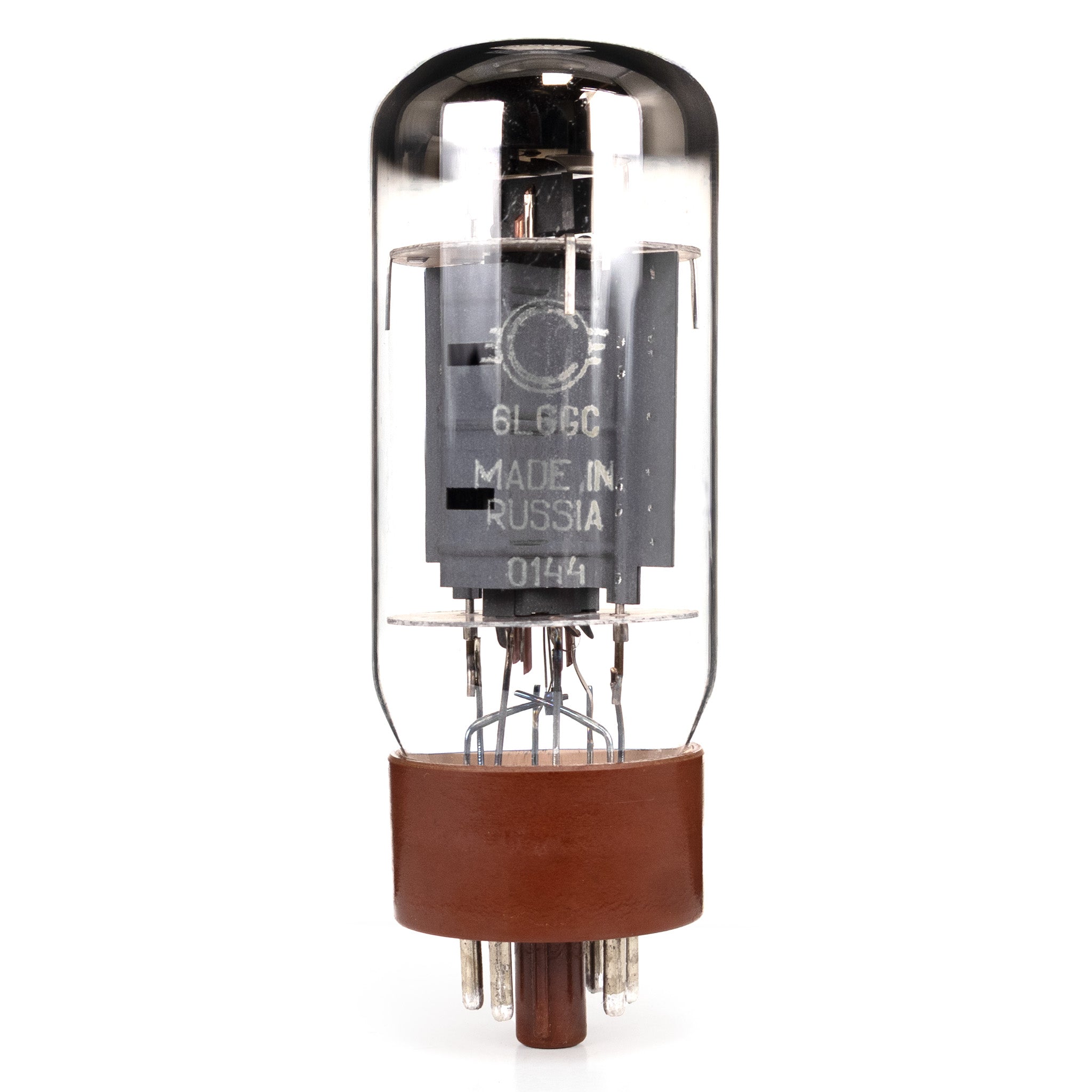


There is a particular kind of late-summer energy in August. The festival run is winding down, the back-to-school gigs are getting booked, and the woodshed sessions are heating up. As the "Summer of Tone" rolls into its final stretch, we are turning the spotlight onto the little tube that punches w-a-y above its size: the EL84.
If the EL34 we featured in June is the roar of a British half-stack, the EL84 is the shimmer and jangle of a great combo amp. It is the chime in a Vox AC30, the bark in a cranked Class A 18-watter, and the secret behind dozens of boutique combos that punch far above their wattage. If your amp has lost its sparkle or started to sound flat and lifeless, a fresh set of EL84 power tubes is one of the cheapest, most dramatic upgrades you can make.
What Is an EL84 / 6BQ5 Tube?
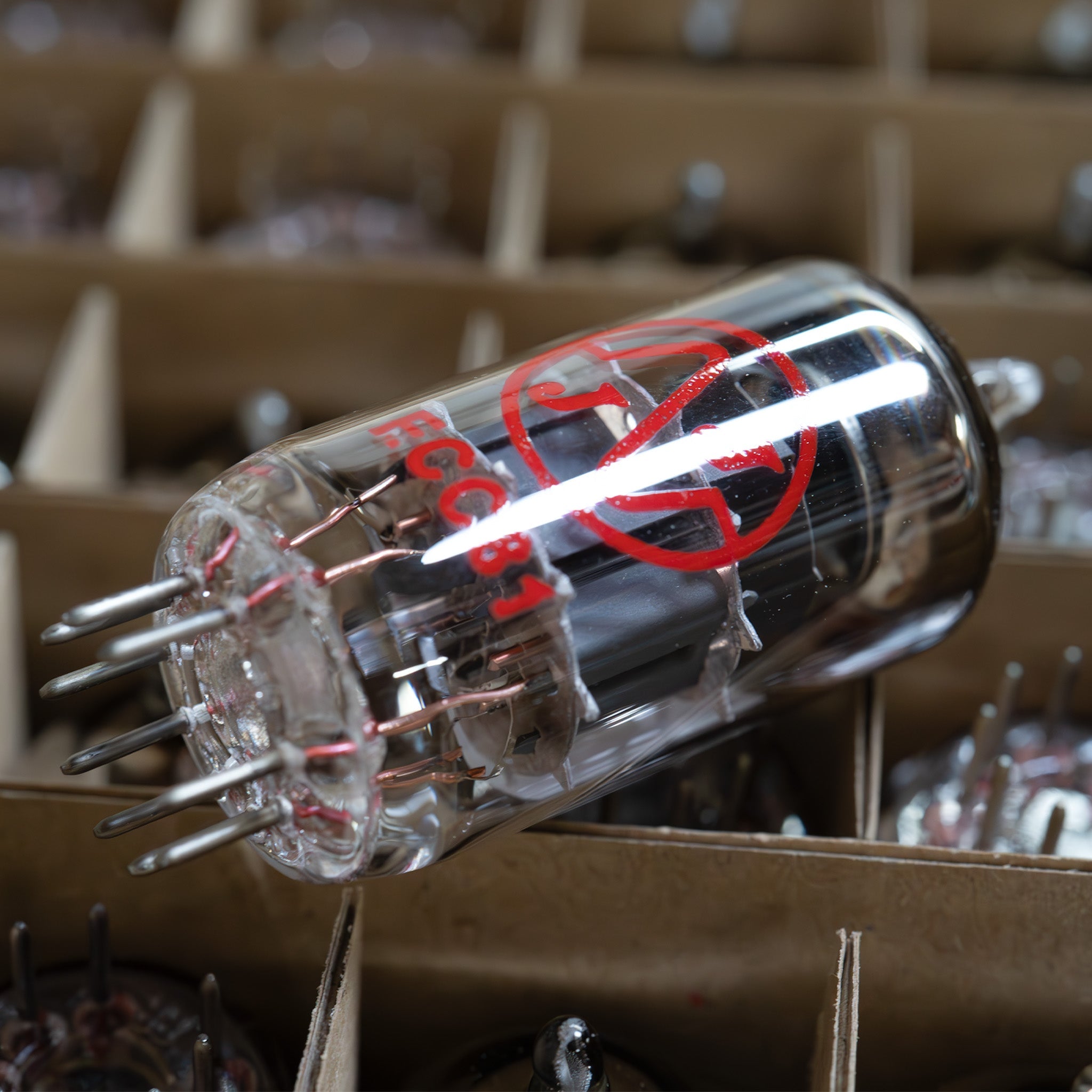
The EL84 is a compact power pentode — a small, 9-pin tube that delivers around 12 to 17 watts per pair depending on the circuit. It was designed to run efficiently at lower plate voltages than bigger power tubes like the EL34 or 6L6, which is exactly why it became the heart of so many small-to-medium combo amps.
You will also see this tube labeled 6BQ5. That is not a different tube — it is simply the American (RETMA) designation for the same EL84. So if your amp's manual calls for a 6BQ5, an EL84 drops right in. Same tube, two names.
What Makes the EL84 Special? (Chime, Sparkle & Early Breakup)
The EL84 has a sonic personality you can spot in a second: a bright, chimey top end, a vocal midrange, and a breakup that arrives early and stays musical. Because it is often wired in true Class A circuits, it starts to compress and bloom at lower volumes than its bigger cousins. You do not have to dime a 100-watt head to feel the tube working — a cranked EL84 combo gets there at club-friendly levels.
- Chime and sparkle: a shimmering, bell-like top end that helped define the "jangle" of the British Invasion.
- Early, touch-sensitive breakup: dig in and it growls; back off your pick or volume knob and it cleans right up.
- Harmonic bloom: notes swell and sustain with a singing quality that players chase.
That combination is why the EL84 is the go-to for chimey cleans and crunchy classic-rock rhythm alike. Ready to chase that tone? Shop our EL84 tubes and hear the difference a fresh set makes.
A Brief History: From Mullard to the Vox AC30
Like so many great tubes, the EL84 traces back to Mullard and Philips in the mid-1950s. It was built as an efficient, affordable output tube for radios and record players — but its destiny changed when British amp builders got hold of it.
Vox dropped a quartet of EL84s into the AC30, and the rest is history. That amp powered the chime of countless 1960s records and became the reference for "British combo" tone. Marshall used a pair in the now-legendary 18-watt models, and decades later the EL84 became the backbone of the boutique combo movement — Matchless, Dr. Z, Bad Cat, and many more. Today we source modern EL84 tubes that hold to those vintage specs while standing up to the rigors of real touring.
Guitar Amps vs. Hi-Fi: One Tube, Two Personalities
In the Guitar World
This is the EL84's home turf. In amps like the Vox AC15 and AC30, the Fender Blues Junior, and any number of 18-watt-style builds, the EL84 delivers that signature chime when clean and a tight, articulate crunch when pushed. If you play one of these amps and it has started to sound dull, woolly, or quiet, worn EL84s are usually the culprit. We stock complete kits for the most popular models, including the Vox AC30 tube kit and the Fender Blues Junior tube kit.
In the Hi-Fi World
Audiophiles love the EL84 too. In single-ended and push-pull hi-fi amplifiers it produces a sweet, detailed midrange and an airy top end that flatters vocals and acoustic instruments. It will not move a giant floorstanding speaker the way a KT88 will, but paired with efficient speakers in a listening room it delivers a warm, intimate, fatigue-free sound that solid-state gear struggles to match.
EL84 vs 6V6 vs EL34: Which Power Tube Is Right for You?
These three get cross-shopped constantly, so here is the short version. The EL84 is the chimey, early-breakup British combo tube. The 6V6 is its closest American cousin — a touch warmer and rounder, the heart of small Fenders like the Champ and Deluxe. The EL34 is bigger, louder, and more aggressive, with the famous "big mids" that built the Marshall sound. None is "better" — they are different flavors. If you want chime and feel at manageable volume, EL84. If you want raw British power, read our deep dive on the EL34 power tube, and for classic American clean headroom see our 6L6GC and 5881 guide.
Cathode Bias vs Fixed Bias: Why the EL84 Is Often Plug-and-Play
Here is the best news for EL84 owners: most EL84 amps are cathode-biased (also called self-biasing). The Vox AC15, AC30, the 18-watt builds, and many boutique combos all run this way. In a cathode-biased amp, the circuit sets its own operating point automatically — which means you can usually drop in a fresh matched set of EL84s without a trip to the tech. That lower barrier is a big part of why retubing an EL84 amp is so satisfying.
A small but important caveat: a handful of EL84 amps run fixed bias and do require a technician to set the bias when you install new tubes. If you are not sure which camp your amp is in, check the manual or ask us before you order — we are happy to help you figure it out.
Why Matching Still Matters
Even in a self-biasing amp, you want a matched set. Matching means each tube has been measured for plate current and transconductance so they share the load evenly. Mismatched tubes lead to hum, uneven tone, and shorter tube life. A matched pair covers most 15- to 18-watt combos; a matched quad covers an AC30 and other four-tube amps.
Signs It's Time to Replace Your EL84 Tubes
EL84s are workhorses, but they do wear out. Watch for these warning signs:
- Lost chime and sparkle — the amp sounds dull, flat, or "blanketed."
- Volume drop or a spongy, weak feel even with the amp turned up.
- Hum, hiss, or crackle that was not there before.
- Microphonic squeal or ringing — a tube picking up vibration.
- Intermittent cutouts or a tube that glows unusually bright (red-plating).
For a gigging player, it is smart to check your power tubes every 6 to 12 months. For home hi-fi use, a good set can last a few thousand hours. When the magic fades, it is time to shop fresh EL84 tubes.
Why Matched & Tested EL84 Tubes Matter
Not every EL84 on the internet is worth installing. Cheap, untested tubes can be microphonic out of the box, poorly matched, or prone to early failure — and a bad power tube can take your night, your tone, or in rare cases your amp with it. Tested, properly matched tubes remove the guesswork: you install them, the amp comes alive, and you get back to playing.
August Tube of the Month Feature: The Ruby EL84C
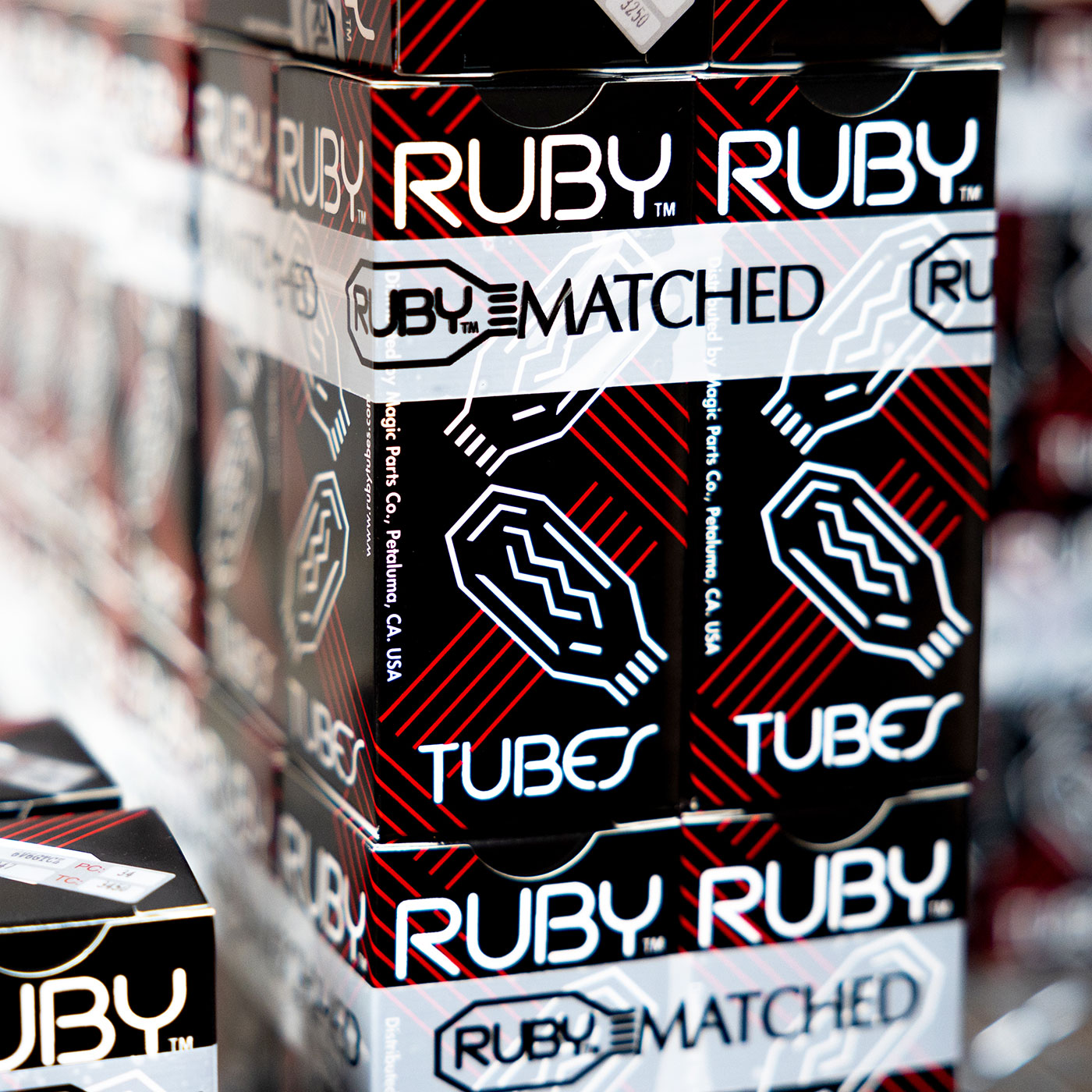
Our pick for August is the Ruby EL84C power tube. It nails the classic EL84 voice — chime on top, a vocal midrange, and that singing early breakup — with the build quality and consistency you want from a tube you are going to gig and record with. It is available as a single ($20), matched pair ($40), or matched quad ($80), so whether you run an 18-watt combo or a four-tube AC30, there is a set ready for you.
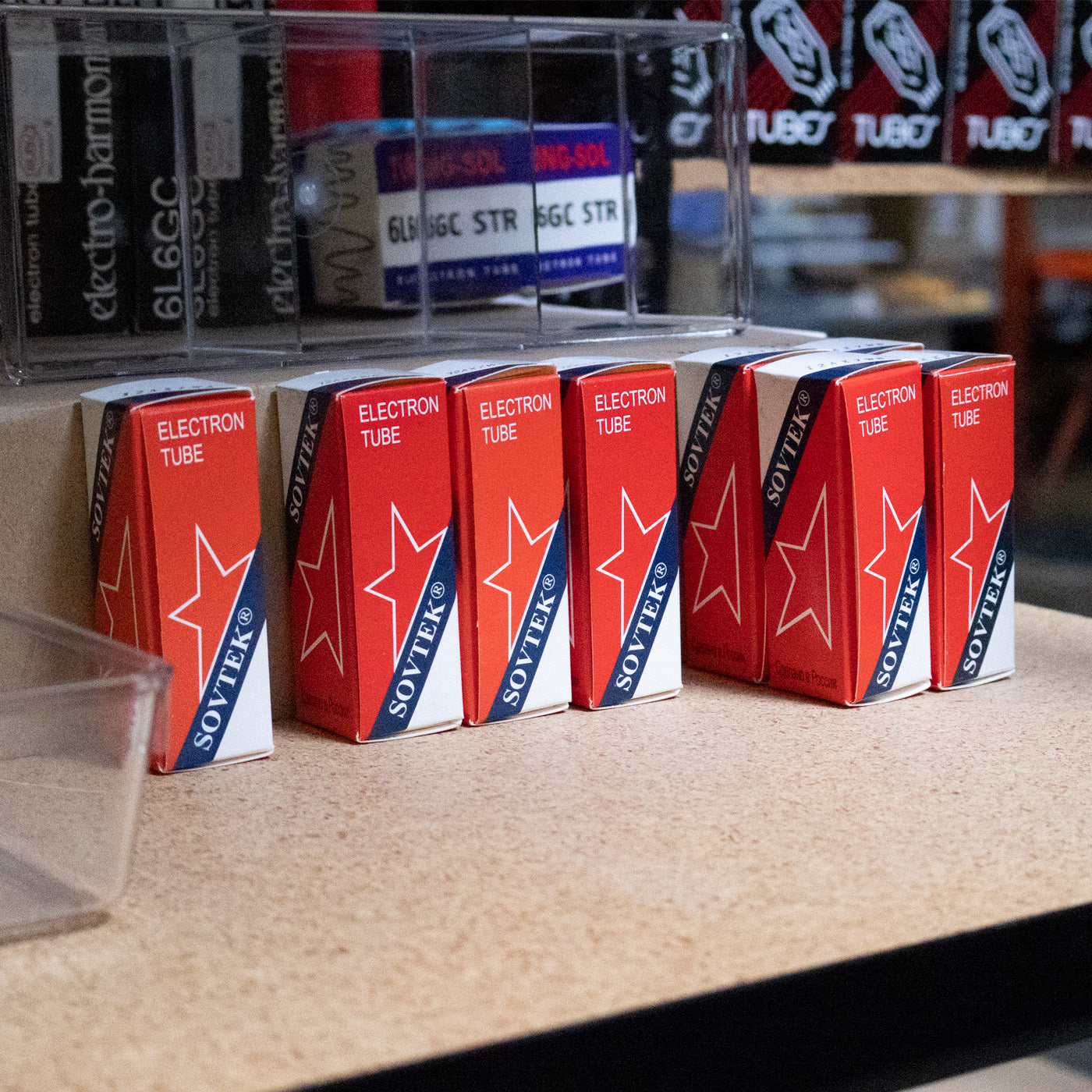
Prefer a different flavor? We also stock the punchy, reliable Tung-Sol EL84 and the budget-friendly, great-sounding JJ EL84 matched pair. Not sure which fits your amp? Use our Tube Kit Finder to search by amp model and get the exact set you need.
Why Buy August's Tube of the Month From Ruby Tubes
You can find EL84 tubes in a lot of corners of the internet, but not every tube is treated the same before it ships. We handle every tube like it is going into our own amps:
- Rigorous burn-in: we do not just test cold. We burn tubes in under load so they are stable before they ever reach your door.
- Real-world testing: our matched EL84 sets are tested at real plate voltages. A tube that looks fine on a vintage handheld tester can still fail in a hot-running combo — we make sure that does not happen.
- Fast shipping: you have shows to play and records to spin. We ship quickly and pack with serious care.
- Expert support: we are gear-heads first. Torn between a Ruby, a Tung-Sol, or a JJ? We will help you choose the right set for your amp.
Where to Buy Reliable EL84 Tubes Online
When you buy from a trusted, specialized retailer, you get tubes that are matched, tested, and ready to play — backed by people who actually know amps. Browse our full lineup of EL84 power tubes, or grab a complete tube kit built for your specific amp.
Frequently Asked Questions
1. Is the EL84 the same as the 6BQ5?
Yes. EL84 is the European designation and 6BQ5 is the American one for the exact same tube. They are interchangeable.
2. Do I need to bias my amp when I install new EL84s?
Usually not. Most EL84 amps (Vox AC15/AC30, 18-watt builds, many boutique combos) are cathode-biased, so a matched set is essentially plug-and-play. A few EL84 amps run fixed bias and do need a tech to set the bias — check your manual or ask us if you are unsure.
3. How long do EL84 tubes last?
For a gigging player, check them every 6 to 12 months. In home hi-fi use they can last a few thousand hours. Replace them when you notice lost chime, volume drop, hum, or microphonic noise.
4. What is the difference between a matched pair and a matched quad?
A pair (two tubes) suits most 15- to 18-watt combos; a quad (four tubes) suits amps like the Vox AC30. Matching ensures every tube in the set draws the same current for balanced tone and longer life.
5. Can I swap EL84s for 6V6 or EL34 tubes?
Generally no — not without modification. These tubes have different pinouts, heater requirements, and bias needs. Stick with the tube type your amp was designed for unless a qualified tech has modified it.
Ready to Rediscover Your Chime?
Do not let tired tubes dull the last weeks of summer. Whether you are chasing the jangle of a great combo or a warm, airy hi-fi soundstage, a fresh matched set of EL84s is your fastest way