




The festival banners are coming down, the amps are back in the practice room, and the "Summer of Tone" is cooling into fall. This month we're shining the light on a tube that spends its whole life out of the spotlight and never asks for credit: the 12AT7. It doesn't color your lead tone — it makes your reverb splash, drives your power section evenly, and keeps a hi-fi line stage quiet and clean. Every great amp needs a reliable supporting player, and for September that unsung hero gets top billing.
If your reverb has gone thin, your amp has picked up a hum, or your soundstage has lost its focus, a fresh 12AT7 preamp tube is one of the cheapest fixes in the whole amp. Let's get into what it does and how to know when it's time.

What Is a 12AT7 / ECC81 Tube?
The 12AT7 is a small 9-pin (noval) dual-triode preamp tube — two triodes in one bottle. It sits in the same family as the 12AX7 and 12AU7, but it lands in the middle on gain: an amplification factor of around 60, versus roughly 100 for a 12AX7 and about 20 for a 12AU7. Lower gain than a 12AX7, but it can pass more current, which is exactly why amp designers reach for it in certain jobs.
You will also see this tube labeled ECC81. That is not a different tube — it is simply the European designation for the same 12AT7. If your amp's layout calls for an ECC81, a 12AT7 drops right in. Same tube, two names.
What Makes the 12AT7 Special? (Medium Gain, Strong Drive)
The 12AT7's whole personality comes from that mix of moderate gain and healthy current capability. It doesn't want to be the first gain stage screaming for saturation — it wants to drive something. That makes it the ideal choice for the jobs where a 12AX7 would be too hot and a 12AU7 too weak.
- Clean, controlled headroom: it stays tight and composed where a higher-gain tube would get fuzzy or splatty.
- Strong current drive: enough muscle to push a reverb transformer or hand off cleanly to the power tubes.
- Low noise when it's healthy: a quiet, focused tube that stays out of the way of your tone.
In short, the 12AT7 is the tube you want doing the heavy lifting behind the scenes. Ready to freshen yours up? Browse our preamp tubes and hear what a healthy one does for your amp.
A Brief History: From European Radio to the Fender Reverb
Like the rest of the 12A_7 family, the 12AT7 traces back to European tube makers like Mullard and Telefunken in the early 1950s, where it (as the ECC81) earned a reputation as a rugged, high-frequency workhorse in radios, RF gear, and early hi-fi. RCA and the American makers picked it up soon after.
Its guitar-amp fame came through a different door than its higher-gain cousins. When Fender built spring reverb into the blackface and silverface amps, they needed a tube stout enough to drive the reverb transformer — and the 12AT7 was the answer. It also became a favorite in the phase-inverter socket, which splits the signal and feeds the power tubes in a push-pull amp. Decades later it's still doing both jobs on stages every night.
Guitar Amps vs. Hi-Fi: One Tube, Two Jobs
In the Guitar World
This is where the 12AT7 does its quietest work. In a classic Fender-style circuit it usually lives in two spots: the reverb driver, where its current drive makes the spring tank splash and bloom, and the phase inverter, where it splits the signal cleanly and hands even, balanced drive to your power tubes. You can also roll one into an early gain stage on purpose, trading raw gain for cleaner headroom and a tighter feel. If your reverb sounds weak or your amp feels flabby when pushed, a tired 12AT7 is a prime suspect.

In the Hi-Fi World
Audiophiles have leaned on the 12AT7 for decades. Its combination of moderate gain, wide bandwidth, and strong drive makes it a natural in line stages, CD-player output stages, and driver positions in push-pull hi-fi amplifiers. It delivers a detailed, open sound with the current to swing a following stage without strain — clean, quiet, and composed, which is exactly what a good source stage should be.
12AT7 vs 12AX7 vs 12AU7: Which Preamp Tube Do You Need?
These three get mixed up constantly because they share the same 9-pin socket and look identical — but they are not automatic swaps, and the difference is all about gain and how much current they can pass. The 12AX7 is the high-gain tube (factor ~100) that lives in your first gain stages and shapes your overdrive; if that's what you're chasing, read our deep dive on the 12AX7 / ECC83. The 12AT7 (factor ~60) is the medium-gain, strong-drive tube for reverb, phase inverters, and clean headroom. The 12AU7 (factor ~20) is the low-gain tube for cathode followers and quiet hi-fi stages.
Can you swap one for another? Sometimes — dropping a 12AT7 into a 12AX7 gain stage is a known trick for more headroom and less breakup. But the circuit was voiced around a specific tube, so don't swap blind, especially in the phase-inverter or reverb-driver spots that count on the 12AT7's drive. When in doubt, ask us.
Do 12AT7 Tubes Need Biasing? (Good News: No)
Here is the best part about retubing a preamp position: preamp tubes like the 12AT7 do not need to be biased. Unlike power tubes, there is no bias pot to set and no trip to the tech required — you pull the old tube, drop in the new one, and you're playing. It is about as close to plug-and-play as amp maintenance gets.
Why a Balanced 12AT7 Still Matters
No biasing does not mean every 12AT7 is equal. Because both triodes inside the tube often share the work — especially in the phase-inverter position, where each half drives one side of the power section — you want a tube whose two sections are balanced and tested. An unbalanced or worn 12AT7 in the phase inverter throws off the push-pull symmetry, which shows up as hum, uneven tone, and premature power-tube wear. A properly tested tube keeps both halves pulling together the way the amp was designed to.
Signs It's Time to Replace Your 12AT7 Tubes
Preamp tubes last a long time, but they don't last forever. Watch for these warning signs:
- Weak, thin, or dripping reverb that used to splash — a classic worn reverb-driver symptom.
- New hum, hiss, or crackle that wasn't there before.
- A microphonic squeal or ringing — tap the amp and you hear the tube "ping."
- Loss of clarity or an amp that feels flabby and uneven when you push it.
- Intermittent cutouts or volume that comes and goes.
Preamp tubes commonly outlast power tubes, but reverb-driver and phase-inverter positions work harder than a typical gain stage, so they wear sooner than you'd expect. When the reverb goes thin or the noise creeps in, it's time to shop fresh 12AT7 tubes.
Why Tested 12AT7 Tubes Matter
Not every 12AT7 on the internet is worth installing. A cheap, untested preamp tube can be microphonic straight out of the box, noisy, or unbalanced between its two triodes — and in a reverb-driver or phase-inverter socket, that turns into hum, weak reverb, and lopsided power-tube drive. Tested tubes take the guesswork out: you drop it in, the reverb comes back to life, the amp quiets down, and you get back to playing.
September Tube of the Month Feature: The JJ ECC81 / 12AT7
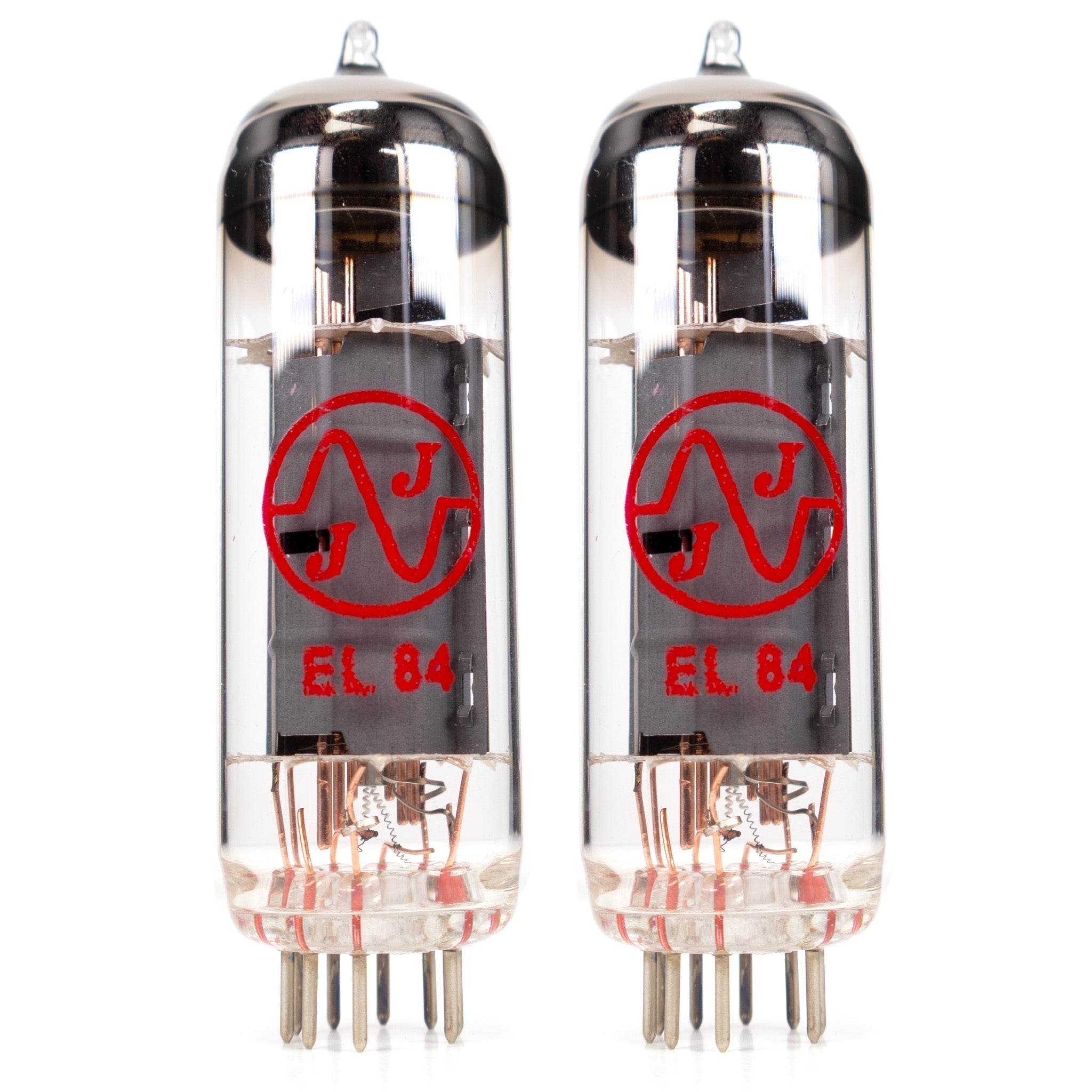
Our pick for September is the JJ ECC81 / 12AT7 preamp tube. It nails the 12AT7 brief — warm, smooth, and quiet, with the current drive that reverb and phase-inverter positions demand — and it is every-day reliable, which is exactly what you want from a tube working behind the scenes. Every one is properly tested for quality before it ships, and it's backed by our 6-month warranty. It comes as a single ($20), matched pair ($40), or trio ($60), so whether you're replacing a lone reverb driver or refreshing several preamp positions at once, there's a set ready for you.

Not sure how many you need or where the 12AT7 lives in your amp? Use our Tube Kit Finder to search by amp model, or just ask us — we do this all day.
Why Buy September's Tube of the Month From Ruby Tubes
You can find 12AT7 tubes in a lot of corners of the internet, but not every tube is treated the same before it ships. We handle every tube like it's going into our own amps:
- Rigorous burn-in: we don't just test cold — we run tubes in so they're stable before they ever reach your door.
- Real-world testing: our 12AT7s are tested for noise, microphonics, and triode balance, so the tube that works on the bench works in your reverb and phase-inverter sockets too.
- Fast shipping: you've got shows to play and records to spin. We ship quickly and pack with serious care.
- Expert support: we're gear-heads first. Not sure whether you need a 12AT7, a 12AX7, or a 12AU7 in that socket? We'll help you get it right.
Where to Buy Reliable 12AT7 Tubes Online
When you buy from a trusted, specialized retailer, you get tubes that are tested and ready to play — backed by people who actually know amps. Browse our full lineup of preamp tubes, or grab a complete tube kit built for your specific amp.
Frequently Asked Questions
1. Is the 12AT7 the same as the ECC81?
Yes. 12AT7 is the American designation and ECC81 is the European one for the exact same tube. They are interchangeable.
2. Do I need to bias my amp when I install a new 12AT7?
No. The 12AT7 is a preamp tube, and preamp tubes don't require biasing. Pull the old one, drop in the new one, and you're playing — no tech visit needed.
3. Can I use a 12AT7 in place of a 12AX7?
Sometimes. Because it shares the same socket but has lower gain, a 12AT7 gets used in a 12AX7 slot for more clean headroom and less breakup. It's a common experiment, but the circuit was voiced around a specific tube — don't swap blind in the reverb-driver or phase-inverter positions, and ask us if you're unsure.
4. Where does the 12AT7 live in my amp?
Most often the reverb driver and the phase inverter, especially in Fender-style circuits. Some amps also use it in an early gain stage. Check your amp's tube layout or send us the model and we'll point you to the right socket.
5. How long do 12AT7 tubes last?
Preamp tubes generally outlast power tubes, but reverb-driver and phase-inverter positions work hard, so replace yours when you notice weak reverb, new hum, microphonic noise, or a loss of clarity.
Ready to Get Your Reverb Back?
Don't let a tired supporting player drag down your whole rig. Whether your reverb has gone thin, your amp has picked up a hum, or your hi-fi has lost its focus, a fresh 12AT7 is one of the fastest, cheapest ways back to great tone. Grab September's Tube of the Month, the JJ ECC81 / 12AT7, or browse all our preamp tubes and retube with confidence.