

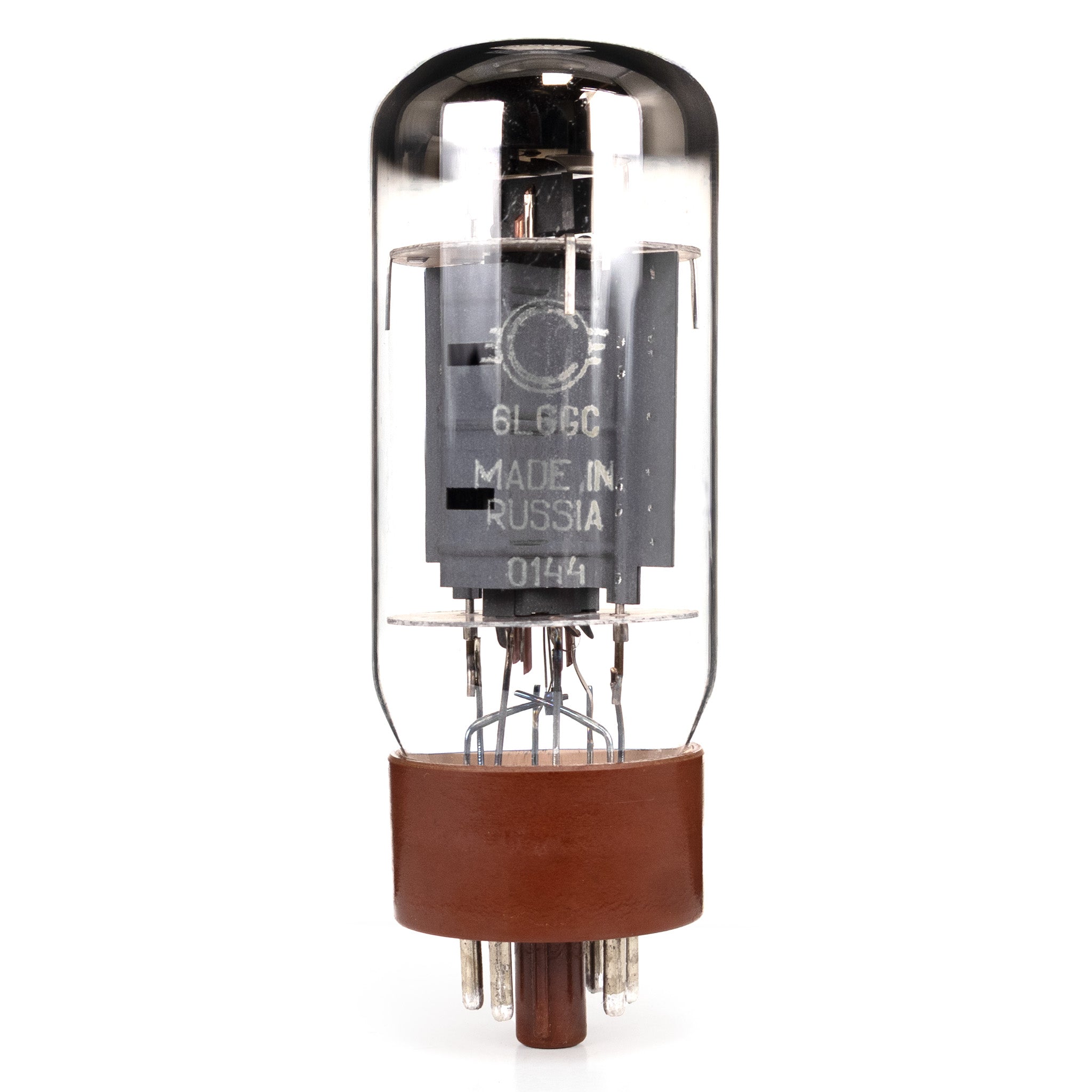



If you're building or upgrading a tube amplifier, the KT88 is one of the most exciting power tubes you can choose. Revered by audiophiles around the world, the KT88 delivers a balance of power, refinement, and sonic character that few tubes can match.
Whether you're shopping for your first set of replacement KT88 tubes or comparing options from different manufacturers, this guide covers everything you need to know — before you spend a dollar.
What Is a KT88 Tube?
The KT88 is a beam power tetrode vacuum tube originally developed by the GEC (General Electric Company) in the UK during the late 1950s.
It was designed as a high-power audio output tube capable of delivering up to 42 watts per tube in ultralinear mode — exceptional for its era and still impressive today.
The "KT" stands for Kinkless Tetrode, a design that suppresses secondary emission without requiring a physical suppressor grid. This results in cleaner power transfer and smoother distortion characteristics than standard tetrodes.
Why KT88 Tubes Are Popular in High-End Audio
Raw Power With Audiophile Refinement
The KT88 occupies a unique position in the tube world: it offers the power of a large output tube without sacrificing sonic finesse.
Unlike some high-wattage alternatives, the KT88 maintains a sense of musicality and warmth that keeps listeners engaged for hours.
Versatile Circuit Compatibility
KT88 tubes operate beautifully in:
- Ultralinear mode — for balanced power and low distortion
- Triode mode — for a richer, more intimate sound
- Pentode mode — for maximum output power
This flexibility makes KT88 hi-fi amplifiers favorites for both audiophile listening and home theater applications.
A Legacy Trusted by Audio Engineers
Decades of use in professional recording studios and high-end listening rooms have cemented the KT88's reputation. When you're shopping for hi-fi vacuum tubes, the KT88 is consistently near the top of the list.
Sonic Characteristics of KT88 Amplifiers
What Does a KT88 Tube Amp Sound Like?
Most audiophiles describe a well-tuned KT88 tube amplifier as:
- Full and authoritative in the bass — tight, controlled low-end that solid-state often struggles to match
- Smooth and open in the midrange — vocals and instruments have natural presence and body
- Airy and extended in the treble — without the harshness that some high-output tubes can produce
- Wide and deep soundstage — imaging that places instruments naturally in three-dimensional space
Can KT88 Tubes Improve Sound Quality?
Absolutely — and significantly. Upgrading to premium, properly tested KT88 power tubes from a quality supplier can yield noticeable improvements in:
- Dynamic range and transient response
- Clarity and detail retrieval
- Bass tightness and slam
- Overall musical cohesion
The tube itself matters. So does where you buy it.
Browse our collection of tested KT88 tubes and upgrade your system today.
KT88 vs EL34 vs 6550: Which Power Tube Is Right for You?
Choosing between these three popular output tubes is one of the most common questions we hear. Here's a straightforward comparison:
| Feature | KT88 | EL34 | 6550 |
|---|---|---|---|
| Power Output | High (~35–42W/tube) | Medium (~25W/tube) | High (~35W/tube) |
| Bass Response | Deep, authoritative | Warm, full | Deep, slightly tighter |
| Midrange | Balanced, open | Rich, lush | Neutral, detailed |
| Treble | Smooth, extended | Slightly warm | Clear, extended |
| Best For | Balanced audiophile listening | Midrange-forward music | Accurate, neutral reproduction |
| Typical Amps | McIntosh, VTL, Conrad-Johnson | Marshall, PrimaLuna, Audio Research | Ayon, VTL, Cary Audio |
KT88 vs EL34 for Home Audio
If you love vocal music, jazz, and acoustic recordings, the EL34's midrange warmth is hard to beat. But for full-range music — orchestral, rock, electronica — the KT88's power and balance make it the better all-rounder.
KT88 vs 6550
These two tubes are electrically similar, and many amplifiers accept both. The KT88 tends to sound slightly warmer and more romantic, while the 6550 leans more neutral and analytical. It often comes down to personal taste.
Best KT88 Tube Amplifier Types for Home Audio
Not sure which KT88 hi-fi amplifier design suits your listening style? Here's a breakdown:
Integrated Tube Amplifiers
An integrated KT88 amplifier combines preamp and power amp in one chassis. Great for listeners who want simplicity without sacrificing performance.
Best for: Beginners and space-conscious audiophiles.
Monoblock Power Amplifiers
Running a dedicated KT88 amplifier per channel maximizes channel separation and power reserves. A dream setup for serious listeners.
Best for: High-efficiency speakers and dedicated listening rooms.
Stereo Power Amplifiers
The classic approach. A single chassis driving both channels. The sweet spot of performance and practicality for most home audio setups.
Best for: The majority of audiophile home systems.
Explore our audiophile tube amps section to find the right match for your speakers.
How to Properly Bias KT88 Tubes
Why Biasing Matters
Biasing sets the operating current through each power tube. Correct bias ensures:
- Maximum tube lifespan
- Optimal sonic performance
- Consistent channel balance
- Reduced risk of tube failure
KT88 Amplifier Biasing: Step-by-Step Overview
- Let the amp warm up for 10–15 minutes before measuring
- Locate the bias test points on your amp's chassis (check your manual)
- Set your multimeter to the appropriate DC milliamp or millivolt setting
- Adjust the bias trim pot until each tube reads within your amp's specified range (commonly 35–70mA depending on design)
- Recheck after 30 minutes — bias can drift as tubes settle
⚠️ Important: High voltages inside tube amplifiers are lethal. If you're not comfortable with this process, consult a qualified amp technician.
Do KT88 Tubes Need Matched Pairs?
Yes — always. Running unmatched tubes results in:
- Imbalanced channel output
- Increased transformer stress
- Faster tube wear
- Sonic coloration and distortion
A properly matched quad or matched pair ensures that every tube operates at the same current draw, keeping your amplifier stable and your music sounding its best.
Shop our matched power tubes — every set is tested and graded before shipping.
Why Matched & Tested KT88 Tubes Matter
The Difference a Quality Retailer Makes
Not all KT88 tubes are equal — even from the same manufacturer. Production tolerances mean individual tubes can vary significantly in transconductance, plate current, and noise levels.
When you buy from a reputable vacuum tube retailer, each tube should be:
- Electrically tested for key parameters
- Matched within tight tolerances for current and gain
- Burn-in tested to weed out early failures
- Graded so you know exactly what you're getting
Buying untested tubes — especially new-old-stock (NOS) from unknown sellers — is a gamble. You might get lucky. But in a precision hi-fi system, consistency and reliability matter.
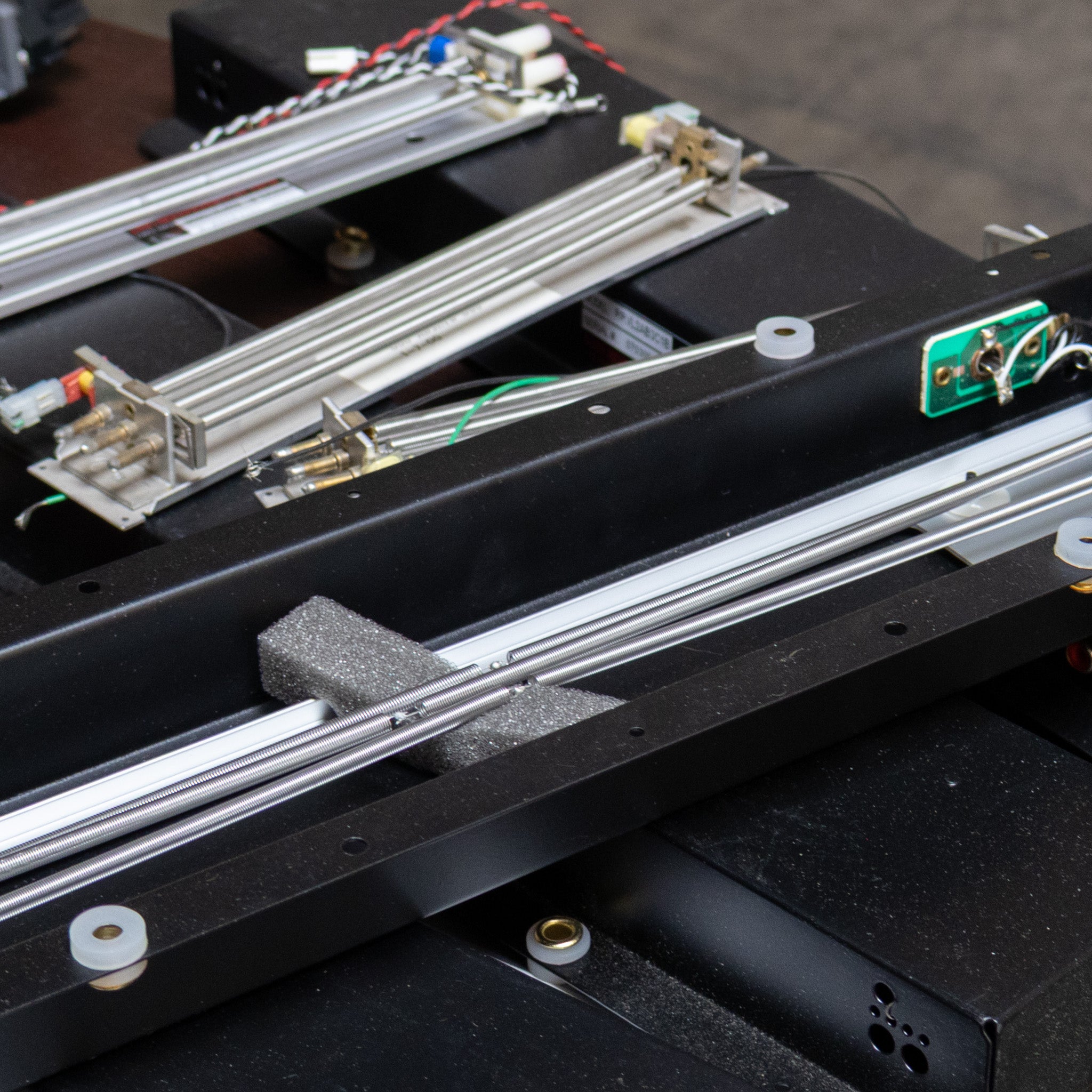
Learn more about our Process of Matching, testing and burning in tubes
Differences Between KT88 Tube Manufacturers
Current Production KT88 Tubes
Today's market offers several quality options. Here's what to know about the major manufacturers:
Shuguang (China)
One of the largest tube manufacturers in the world. Their standard KT88 is a solid performer at an accessible price. The Shuguang Treasure and Black Bottle variants offer enhanced performance for more critical listeners.
Psvane (China)
A boutique manufacturer producing some of the most refined current-production tubes available. The Psvane KT88 series is well-regarded for sonic sophistication and build quality.
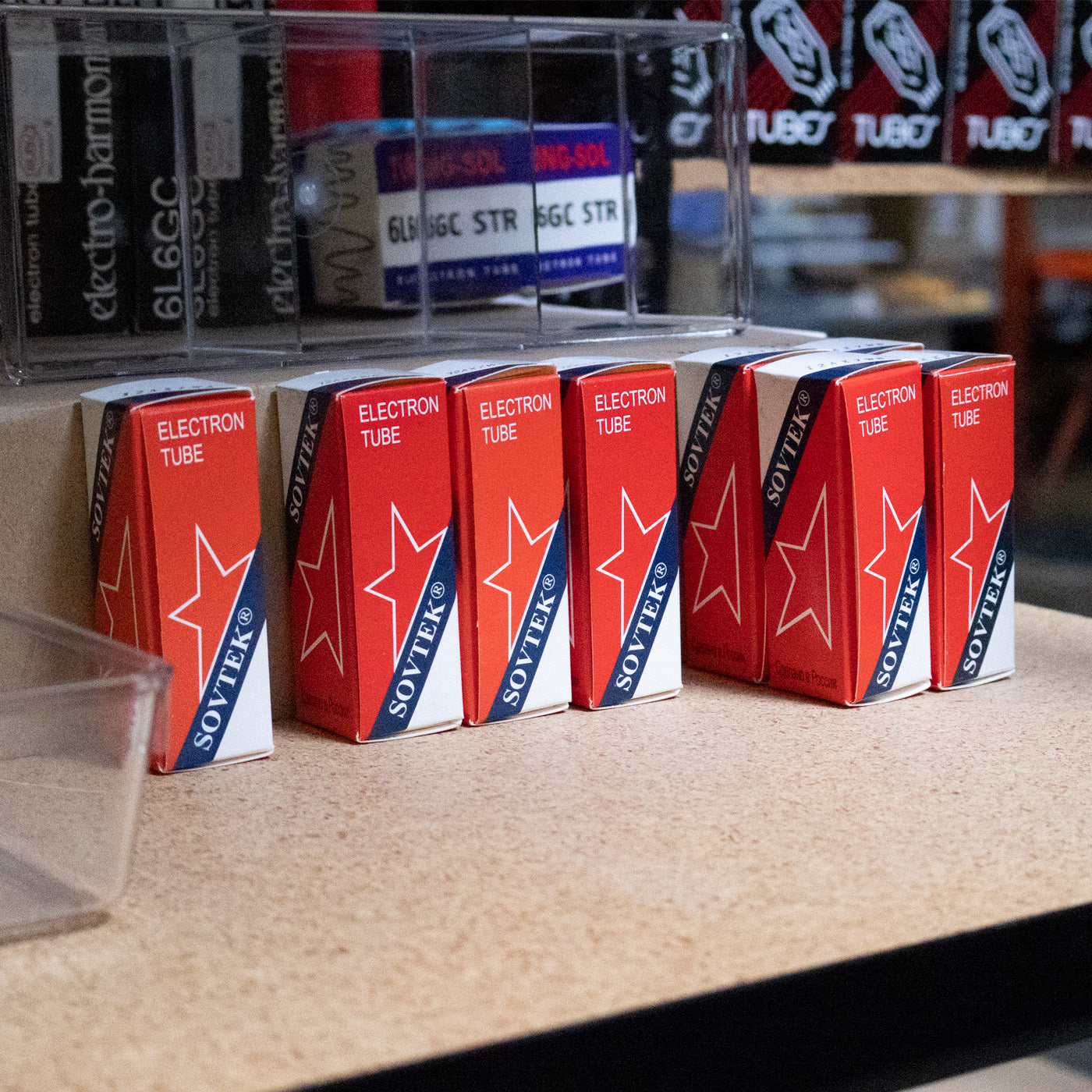
Electro-Harmonix / Sovtek (Russia)
Reliable and widely used by amp manufacturers and technicians. The EH KT88 is a consistent, dependable choice with a balanced sonic profile.
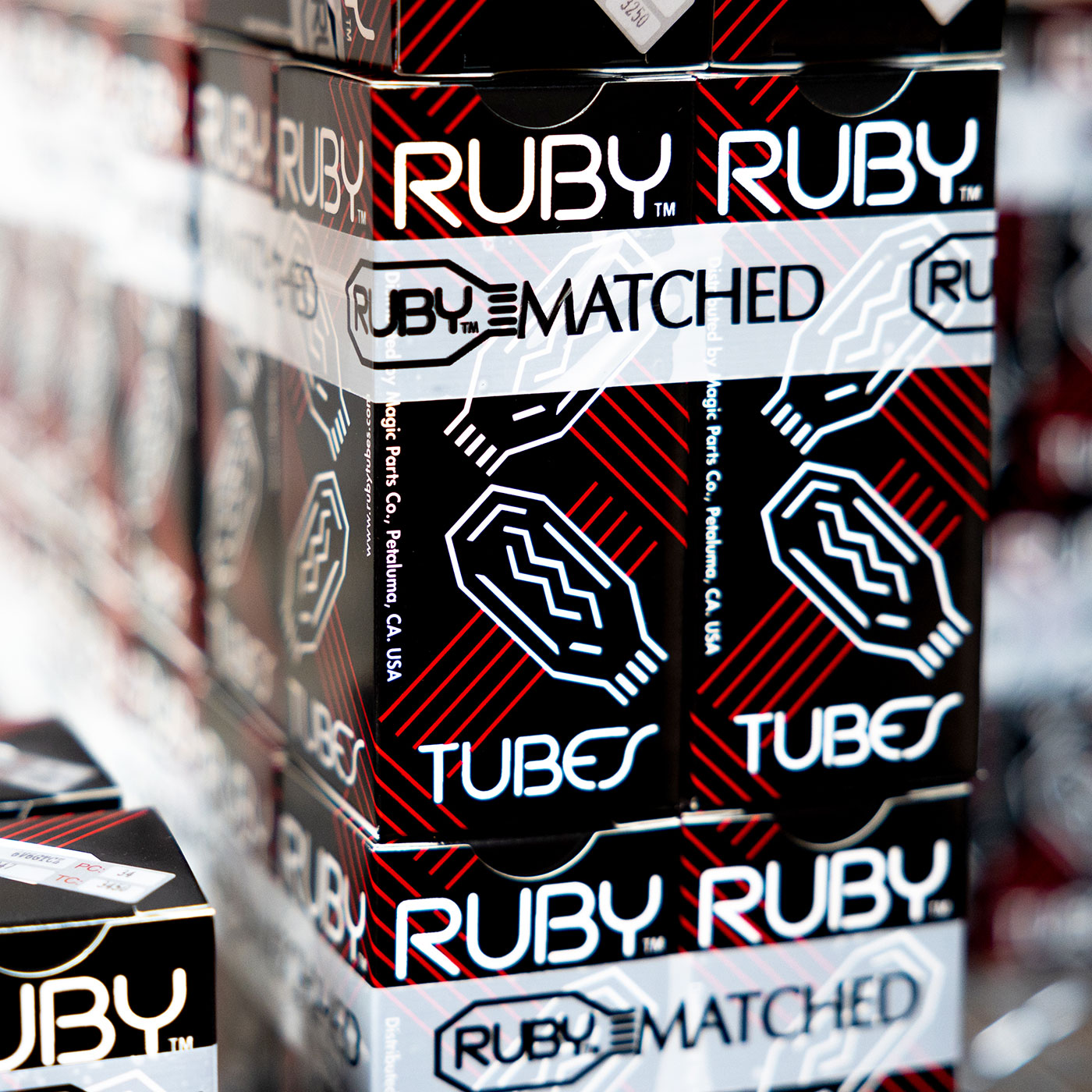
Ruby Tubes
Ruby Tubes KT88 variants are popular in the US market for their combination of quality control, tested matching, and value. A solid everyday performer for audiophile systems.
Gold Lion (Reissue)
Originally a prestigious British tube, the Gold Lion KT88 reissue is manufactured by Electro-Harmonix and has earned a strong following among audiophiles for its warm, musical presentation.
Signs It's Time to Replace Your KT88 Tubes
How Long Do KT88 Tubes Last?
With typical use (a few hours per day), KT88 power tubes generally last 2,000 to 5,000 hours. Some high-quality tubes, run conservatively, have exceeded 10,000 hours.
Warning Signs to Watch For
Don't wait for a tube to fail catastrophically. Listen for — and look for — these red flags:
- Increased hum or buzz from the speakers
- Loss of bass weight or overall dynamics
- One channel sounding different from the other
- Visual glow changes — orange or red glow inside the tube where there previously wasn't
- Tube "red plating" — a dangerous overload condition requiring immediate shutdown
- Bias drifting out of range despite adjustment
- Intermittent crackling or distortion
When Should You Replace KT88 Power Tubes?
A good rule of thumb: check bias every 6 months and plan to retube every 2–3 years with regular listening. If you're hearing degradation or bias won't hold, it's time for fresh tubes.
⚠️ Important: High voltages inside tube amplifiers are lethal. If you're not comfortable with this process, consult a qualified amp technician.
Find the right replacement power tubes for your amplifier — tested, matched, and ready to drop in.
Where to Buy Reliable KT88 Tubes in the US
Why Buying From a Trusted Retailer Matters
With vintage NOS tubes increasingly rare and counterfeit tubes appearing in online marketplaces, buying from a specialist retailer you trust has never been more important.
When you shop with us, you get:
✅ Every tube individually tested before it leaves our warehouse
✅ Matched sets graded for consistency
✅ Honest descriptions — no inflated "NOS" claims
✅ Fast US shipping with careful packaging
✅ Expert support when you have questions
✅ A team of audiophiles who actually use what we sell
We're not a mass-market electronics distributor. We're a dedicated vacuum tube retailer built for audiophiles, by audiophiles.
Shop our full selection of premium KT88 tubes and hi-fi vacuum tubes — and hear the difference quality makes.
Final Thoughts
The KT88 is one of the great power tubes of the audio world. Whether you're biasing a vintage amplifier, rolling tubes in a modern integrated, or building a new amplifier from scratch — the right KT88 will reward you with sound that's powerful, refined, and genuinely musical.
The key is buying smart: matched, tested, and from a retailer who stands behind what they sell.
Ready to upgrade your system?
FAQ
Q1: What is a KT88 vacuum tube used for? The KT88 is a beam power tetrode vacuum tube used as an output tube in hi-fi audio amplifiers. It delivers high power output — up to 42 watts per tube in ultralinear mode — with smooth, musical characteristics valued by audiophiles worldwide.
Q2: How long do KT88 tubes last? With regular use of a few hours per day, KT88 power tubes typically last between 2,000 and 5,000 hours. High-quality tubes run at conservative bias levels can exceed 10,000 hours. Most audiophiles plan to retube every 2–3 years.
Q3: What is the difference between KT88 and EL34 tubes? The KT88 produces more power and offers a balanced, full-range sound with authoritative bass. The EL34 is slightly lower in output but is celebrated for its lush, vocal midrange. The KT88 is generally the better choice for full-range music listening.
Q4: Do KT88 tubes need to be matched? Yes. Matched KT88 tubes are essential for balanced channel output, reduced amplifier stress, and optimal sound quality. Running unmatched tubes can cause distortion, faster wear, and potential damage to your amplifier's output transformer.
Q5: How do I bias KT88 tubes? After the amplifier warms up for 10–15 minutes, use a multimeter at the amp's bias test points and adjust the trim pot until each tube reads within the manufacturer's specified current range — typically 35–70mA. Recheck after 30 minutes as bias can drift during initial warm-up. Always exercise extreme caution when working inside a powered tube amplifier.