

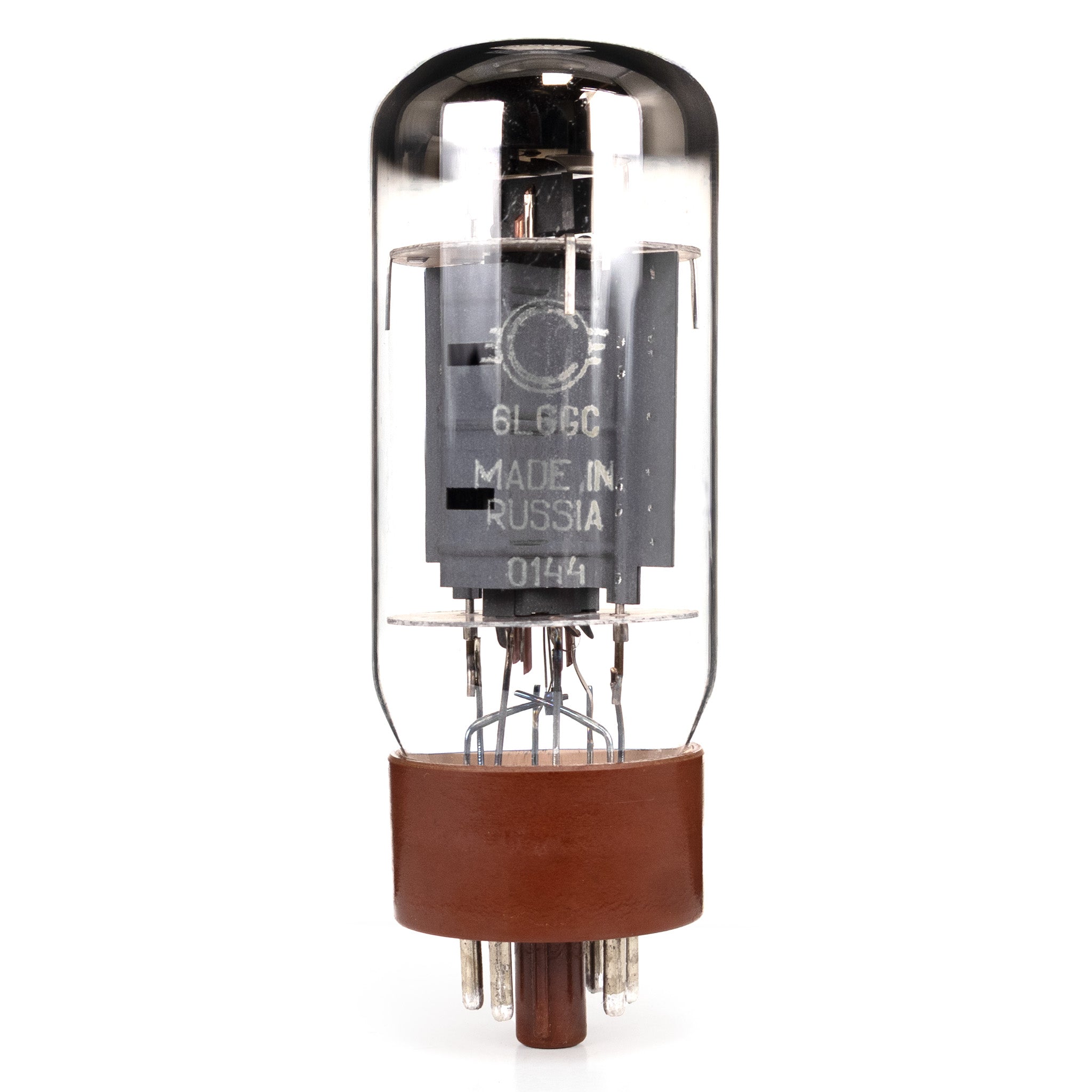


EL34 Power Vacuum Tube
There is a specific feeling that comes with June. The days are stretching out, the windows are cracked open, and the "Summer of Tone" is officially underway. Whether you are prepping for a string of outdoor festival dates or settling into your listening room for a long evening of high-fidelity bliss, your power section needs to be up to the task.
To kick off the season, we are spotlighting the undisputed king of the "British Sound": The EL34.
This month, we celebrate the glass that defined rock and roll and continues to be the gold standard for mid-range clarity and musical compression. If your amp has been feeling a little sluggish or losing its "sparkle" in the humid June air, it might be time for a fresh set of replacement power tubes.
What Makes the EL34 Special? (The Soul of the "Big Mids")
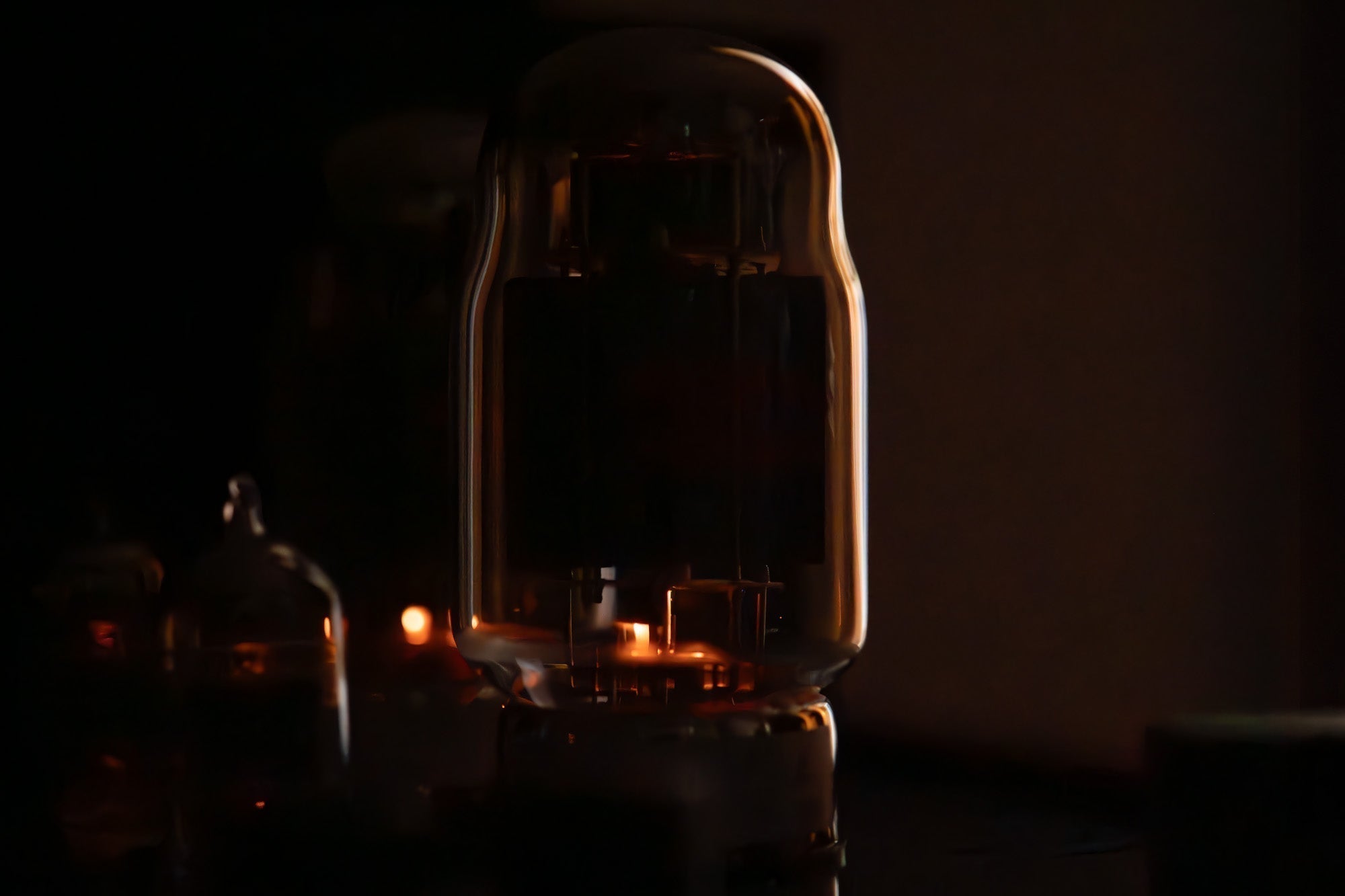
If the 6L6 is the sound of California sunshine—wide, clean, and glassy—the EL34 vacuum tube is the sound of a roaring club in London. It is a pentode power tube known for a very specific sonic signature that enthusiasts often call the "Big Mids."
Unlike other power tubes that focus on deep sub-lows or piercing highs, the EL34 lives in the frequencies where the guitar and the human voice truly breathe. When you push an EL34-driven amplifier, you don't just get volume; you get creamy compression and a harmonic richness that "cuts" through a mix like nothing else.
-
Harmonic Complexity: EL34s are prized for their aggressive, yet musical, breakup.
-
Touch Sensitivity: These tubes respond to your pick attack. Play soft, and they stay chimey; dig in, and they growl.
-
The Crunch: It is the foundation of the classic "crunch" tone that defined the 70s and 80s.
If you’re looking to Upgrade Your Power Section this month, there is no better place to start than with our curated EL34 Collection.
A Brief History: From Mullard to the Modern Stage
The EL34 wasn't always a rockstar. Developed by Philips (and its subsidiary Mullard) in the early 1950s, it was originally designed as a high-efficiency power pentode. While it found early success in radio and audio applications, its destiny was sealed when a young Jim Marshall began using them in his amplifiers.
The combination of the EL34 and the 4x12 cabinet changed music history. From the early "Bluesbreaker" tones to the high-gain "brown sound" of the late 70s, the best EL34 for Marshall amps became the holy grail for guitarists. In the decades since, the tube has seen various iterations, from the legendary Mullard XF2 to modern, high-reliability versions from Eastern Europe and China.
Today, we carry on that legacy by sourcing EL34 power tubes that meet those vintage specifications while offering the structural integrity required for modern touring.
Guitar Amps vs. Hi-Fi: One Tube, Two Personalities
It is a common misconception that the EL34 is "just for guitarists." While it is the backbone of British voiced amps like Marshall, Orange, and Hiwatt, it is also a darling of the audiophile world.
In the Guitar World
In a guitar amp, we often want the EL34 to work hard. We want that power-amp saturation where the tube begins to "give" and compress. This creates that sustain and singing lead tone that players crave. If you are prepping for summer gigs, a fresh EL34 quad set can bring back the punch and headroom that old, worn-out tubes have lost over time.
In the Hi-Fi World
In a high-fidelity setup, hi-fi EL34 tubes are prized for their "sweet" midrange and holographic imaging. Unlike more clinical solid-state amps, an EL34-based tube amp adds a layer of warmth and "air" to acoustic instruments and vocals. It’s a fatigue-free listening experience that makes those long June evenings even better.
Not sure which tubes to get for your specific gear? Read this Guide on the EL34 versus the 6L6GC.
Installation & Bias: Why Precision Matters
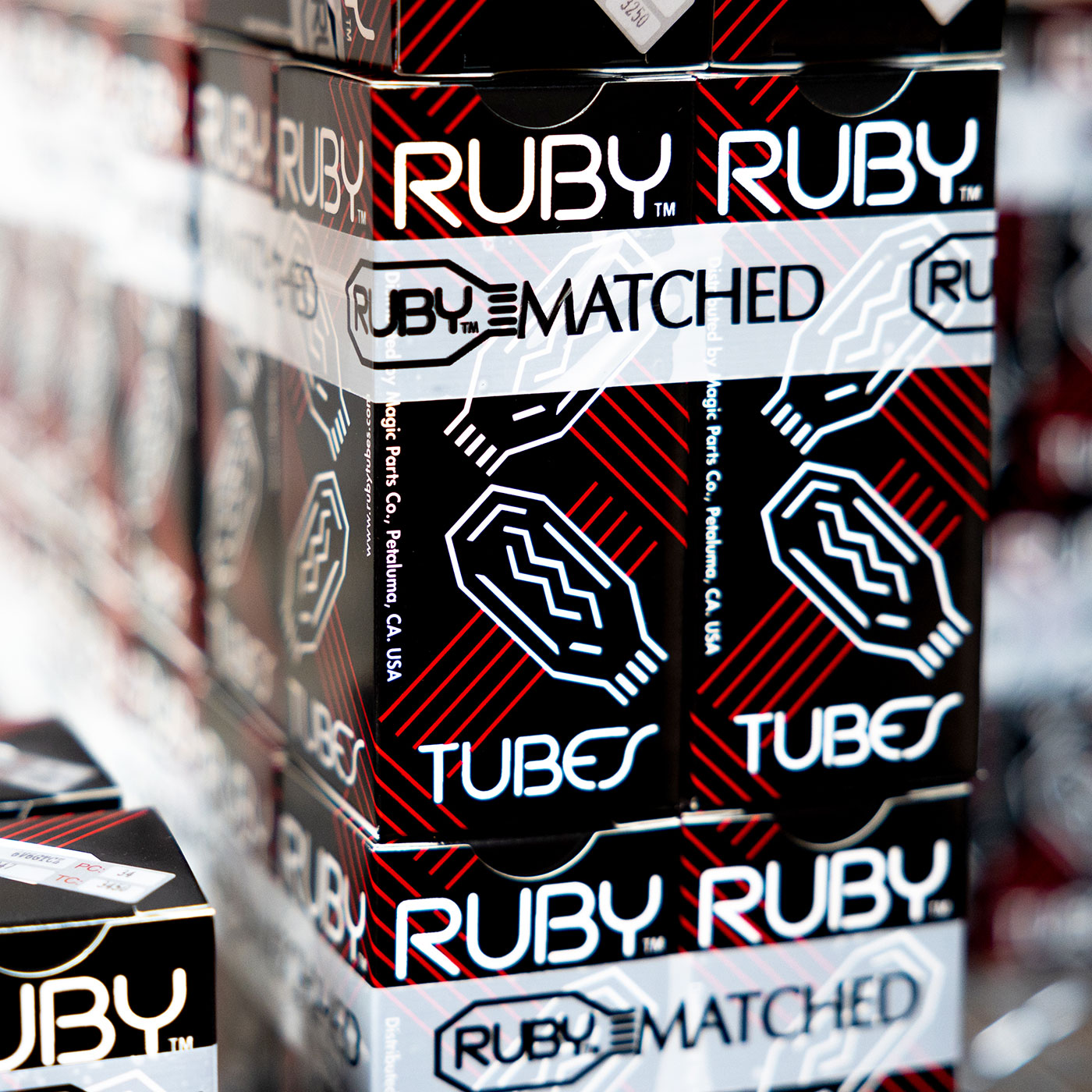
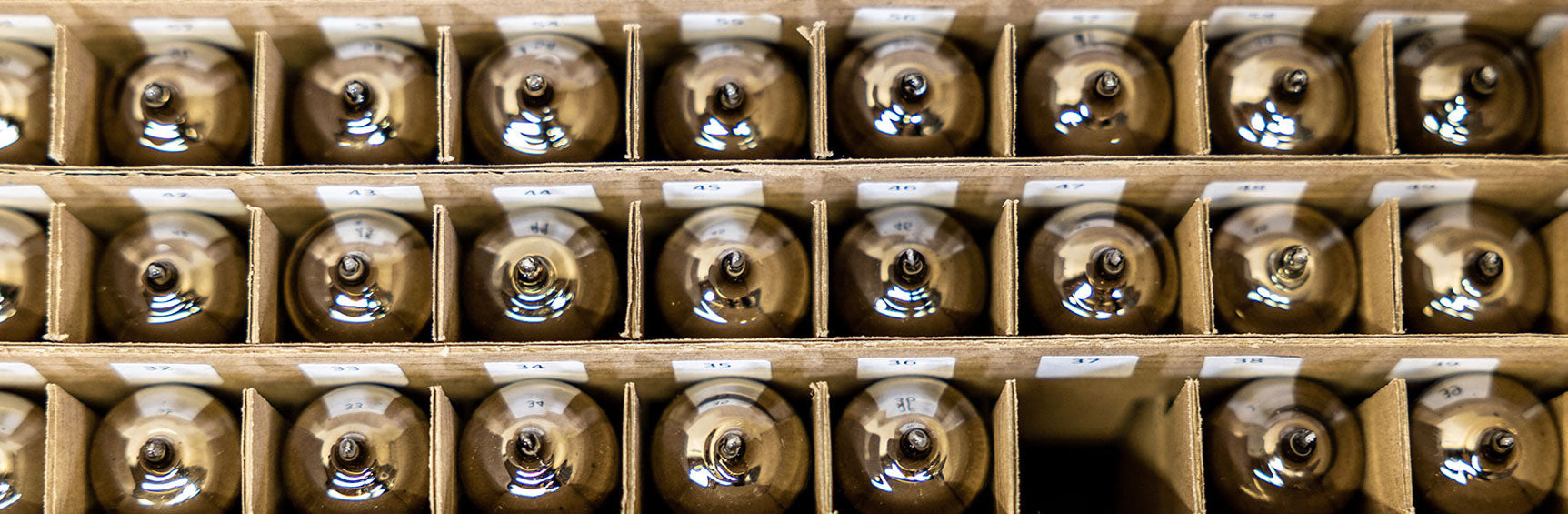
Vacuum tubes are not "plug and play" in the same way a lightbulb is. Because EL34s are power tubes, they handle significant voltage and heat. This is why we emphasize the importance of a matched pair EL34 or a matched quad set.
The Importance of Matching
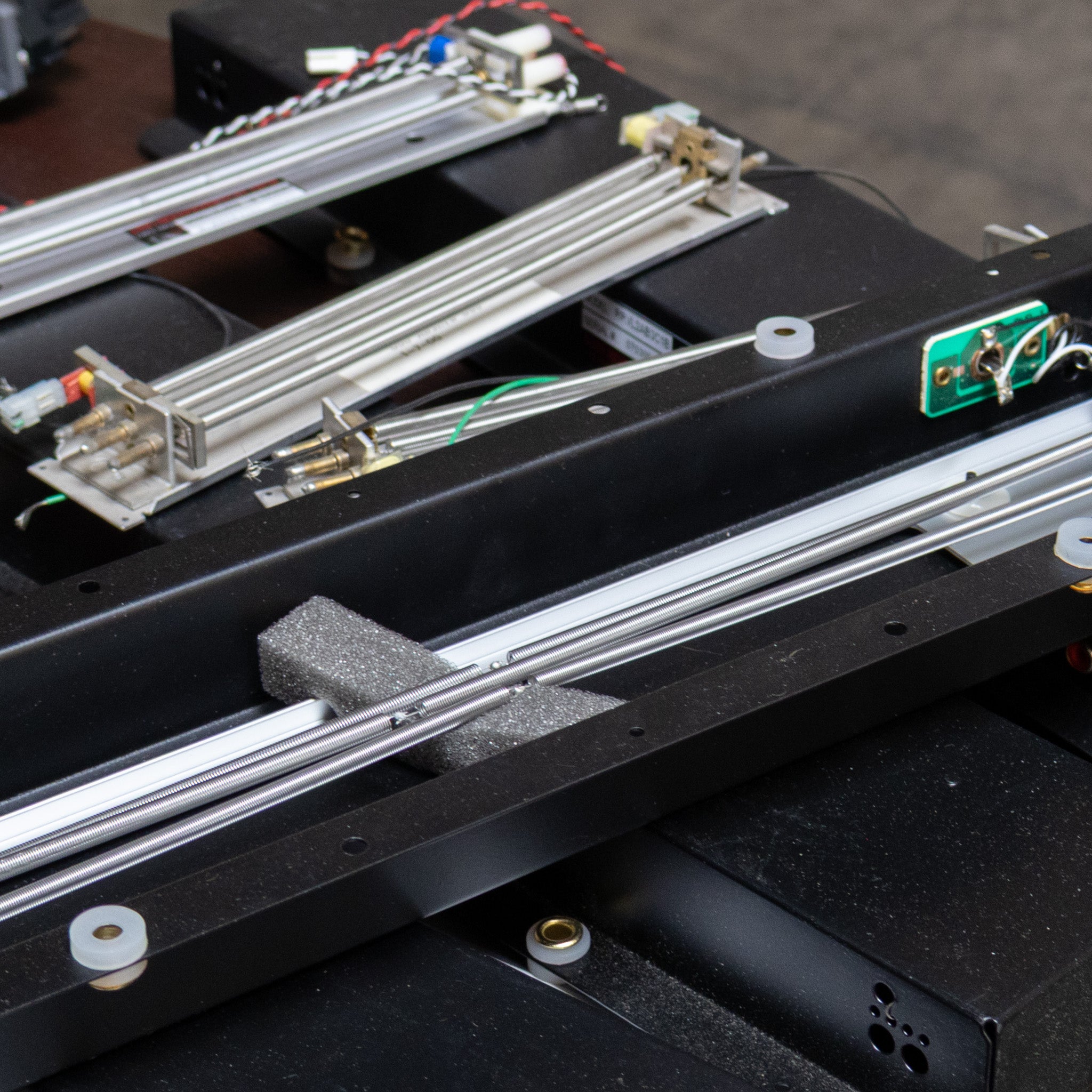
No two tubes are identical out of the factory. "Matching" is the process of measuring the current draw (plate current) and transconductance of each tube under high-voltage conditions. If your tubes aren't matched, one tube will work harder than the other, leading to:
-
Hum and background noise.
-
Uneven tone.
-
Premature tube failure.
Setting the Bias
Most EL34 amps are "fixed bias," which ironically means they need to be manually adjusted by a technician when you install replacement power tubes. Think of it like setting the idle on a classic car. Too "cold" and the amp sounds thin; too "hot" and you’ll red-plate the tubes and potentially damage your transformer.
Why Buy June’s Tube of the Month From Us?
You can find EL34 vacuum tubes in many corners of the internet, but not all glass is created equal. At our shop, we treat every tube like it's going into our own personal amplifiers.
-
Rigorous Burn-In: We don't just test tubes cold. We burn them in under load to ensure they are stable before they ever reach your doorstep.
-
Real-World Testing: Our Matched EL34 Sets are tested at real-world plate voltages. A tube that looks "good" on a vintage handheld tester might fail in a 50-watt Marshall. We make sure that doesn't happen.
-
Fast Summer Shipping: We know you have shows to play and records to listen to. We ship fast and pack with extreme care.
-
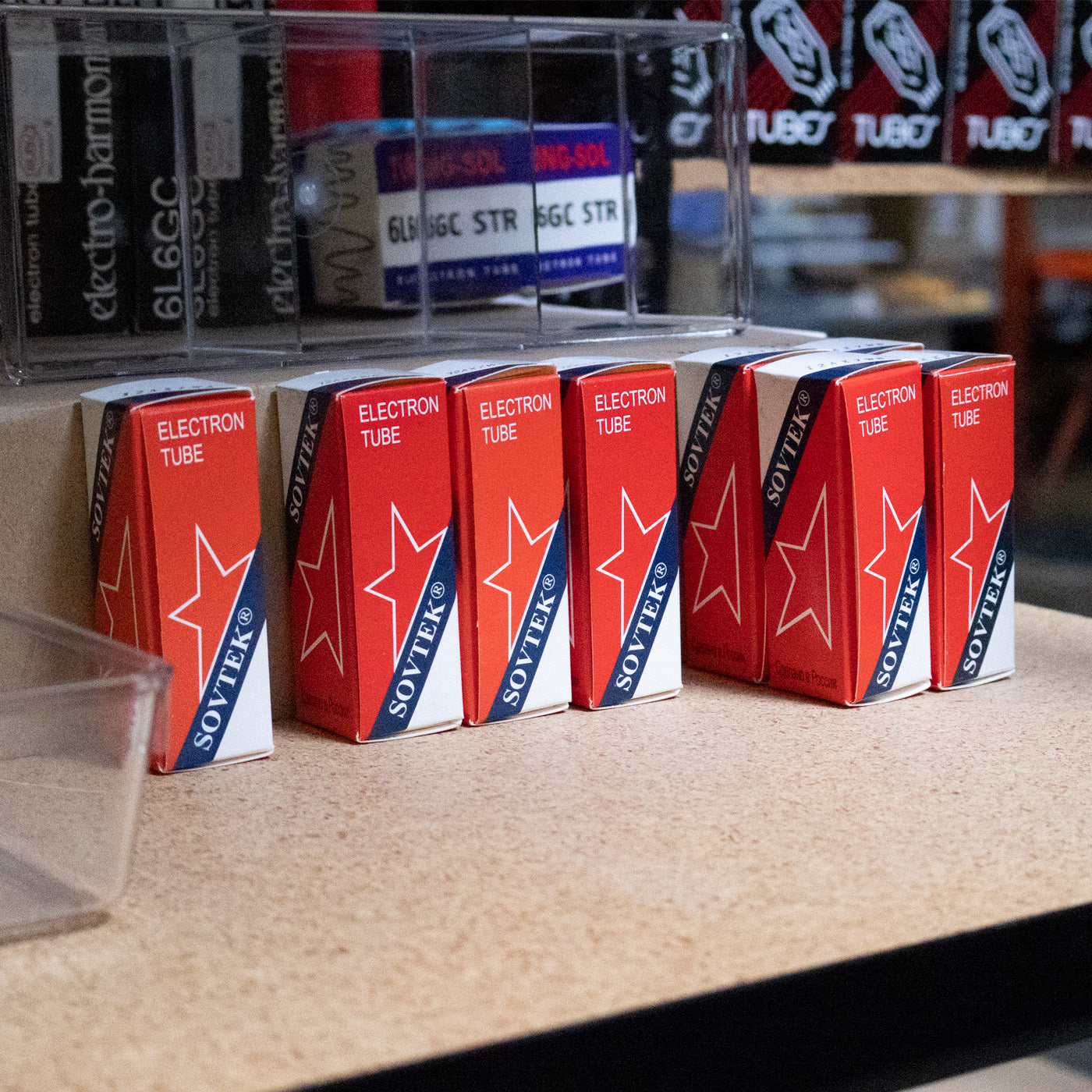
Expert Support: We are gear-heads first. If you’re torn between a JJ, a Mullard Reissue, or a Tung-Sol, we’re here to help you Find the Right Tube Kit.
FAQ: Everything You Need to Know About EL34s
1. Can I swap EL34s for 6L6 tubes in my amp? Generally, no—at least not without a professional modification. EL34s and 6L6s have different physical footprints (pin connections) and draw different amounts of heater current. Always check your manual or learn more here
2. How long do EL34 power tubes usually last? For a gigging musician, we recommend checking your power tubes every 6 to 12 months. For home hi-fi use, they can last 2,000 to 5,000 hours. If you notice a loss of low-end or a "muddy" sound, it’s time to Shop EL34 Tubes.
3. What is the difference between a matched pair and a matched quad? A pair is for 50-watt amps (two power tubes), while a quad is for 100-watt amps (four power tubes). Matching ensures all tubes in the set draw the same amount of current for a balanced sound.
4. Why is the EL34 called the "British" tube? Because it was the primary tube used by UK manufacturers like Marshall and Hiwatt during the 1960s. It defined the sound of the "British Invasion."
5. Do I really need to bias my amp when I get new EL34s? In 90% of cases, yes. Unless your amp is specifically labeled as "Cathode Biased" or "Self-Biasing," a technician should check the bias to ensure your new tubes run safely and sound their best.
Ready to Rediscover Your Tone?
Don't let worn-out tubes dull your summer sound. Whether you are chasing the perfect classic rock crunch or a lush, warm hi-fi soundstage, the EL34 is your ticket there.