



6L6GC & 5881: Defining the Classic American Tone | May Tube of the Month
When you think of the "American Sound"—that shimmering, glassy high end, the tight, punchy lows, and enough clean headroom to fill a room—you are thinking of the 6L6 family.
For decades, the 6L6GC tube has been the heartbeat of the world’s most iconic amplifiers. From the surf-soaked cleans of a vintage Fender Twin Reverb to the high-gain "chugging" of a modern Mesa/Boogie, this power tube is a cornerstone of guitar history.
In this May edition of Tube of the Month, we’re diving deep into the 6L6GC and its rugged cousin, the 5881 tube. Whether you’re looking to buy 6L6GC tubes for the first time or wondering if a replacement 5881 tube is right for your circuit, this guide will help you navigate the specs, the tone, and the technical details that matter most.
What Is a 6L6GC Tube?
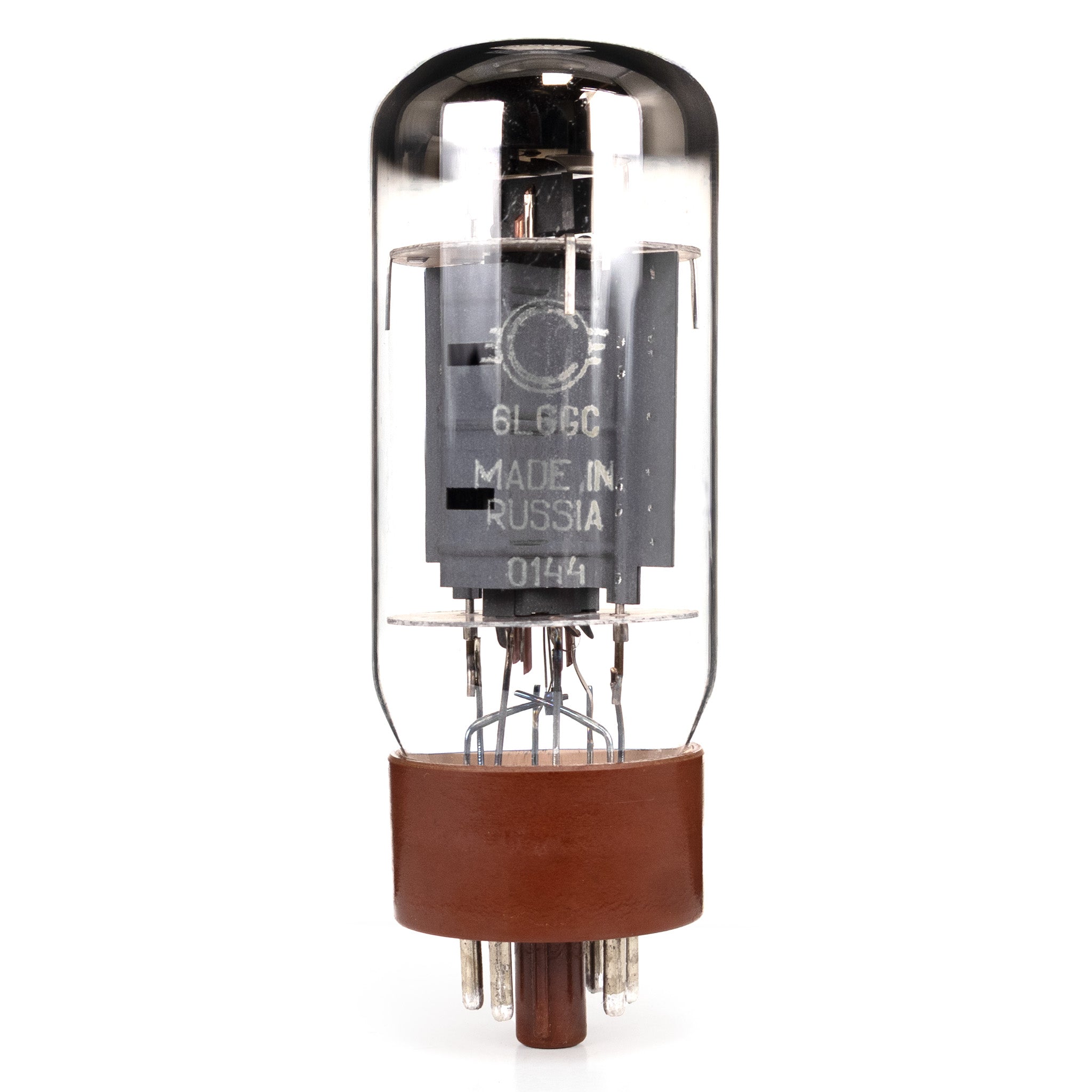
The 6L6GC is the most modern and powerful iteration of the original 6L6 beam power pentode. Introduced in the late 1950s, the "GC" designation marked a significant jump in performance. Unlike earlier versions which were housed in metal or smaller glass envelopes, the 6L6GC was designed to handle higher plate voltages and higher power dissipation.
In technical terms, a standard 6L6GC tube is rated for a maximum plate voltage of 500V and a plate dissipation of 30 watts. This makes it a workhorse. It is designed to stay clean and articulate even when pushed, providing the "big" sound that many players crave.
When you use premium guitar amp tubes like these, you’re defining its character. The 6L6GC is known for its wide frequency response. It doesn't compress the signal as early as an EL34 might, which is why it’s the gold standard for Fender style amp tubes.
What Is a 5881 Tube?
The 5881 is often described as the "industrial-strength" version of the 6L6. Originally developed for military and industrial applications where reliability under vibration was key, the 5881 found its way into guitar history through the early Tweed-era amplifiers.
Historically, the 5881 is a slightly lower-output tube compared to the modern 6L6GC. It typically handles about 400V on the plates and has a dissipation rating of around 23 to 25 watts. Because of these lower limits, a replacement 5881 tube often "breaks up" earlier than a 6L6GC.
If you find that your amp is a bit too loud before it hits that sweet spot of overdrive, a 5881 can sometimes be the perfect solution to bring that "sweetening" effect to your tone at lower volumes.
6L6GC vs 5881: What’s the Difference?
The debate of 6L6GC vs 5881 usually comes down to two things: headroom and durability.
-
Headroom: The 6L6GC is the king of clean headroom power tubes. If you want your cleans to stay crystal clear at high volumes, stick with the 6L6GC. The 5881 will start to saturate and add "hair" to your notes earlier in the volume sweep.
-
Voltage Limits: This is the most critical technical difference. You can almost always put a 6L6GC into an amp designed for 5881s. However, you cannot always put a 5881 into an amp designed for 6L6GCs. Many modern 100-watt heads run plate voltages far exceeding 450V, which can cause a vintage-spec 5881 to fail or "red plate."
-
Physical Size: 5881 tubes are often shorter ("stubby") compared to the taller 6L6GC. In some small combo amps where space is tight, the 5881 might be the only physical fit.
Curious about how these will sound in your specific rig? Explore tested 5881 tubes
Why These Tubes Define American Amp Tone
The "American Tone" isn't just a marketing buzzword; it’s a specific EQ curve that the 6L6 family produces.
-
The Lows: Deep, firm, and "piano-like." They don't get mushy when you dig into the strings.
-
The Mids: Slightly scooped. This creates space for the vocals or other instruments in a mix.
-
The Highs: Shimmering and clear. This is often called "glassy" or "chimey."
When you buy 6L6GC tubes for a classic American circuit, you are preserving that history. This tone is the backbone of blues, country, and even modern metal, where that tight low-end response is necessary for fast, percussive riffing.
Best Uses for Guitar Amps and Hi-Fi Gear
While we often focus on the stage, these are also exceptional power tubes for amplifiers in the hi-fi world.
In a high-fidelity audio setup, the 6L6GC is prized for its low distortion and "hi-fi" accuracy. It provides a very balanced soundstage. While EL34s might be described as "warm" or "mid-forward," a 6L6GC-based hi-fi amp provides a more neutral, "airy" listening experience.
For guitarists, these are the best 6L6GC power tube options for:
-
Fender Bassman, Twin Reverb, and Super Reverb.
-
Mesa/Boogie Dual and Triple Rectifiers.
-
Peavey 5150 / 6505 series.
-
PRS MT 15 and Archon models.
Signs It’s Time to Replace Your Power Tubes
Vacuum tubes are like tires on a car—they wear out with use. If you haven't changed yours in a year or two of regular playing, you might be missing out on your amp's true potential. Look for these signs:
-
Loss of High-End: If your amp sounds "muddy" or "dark" compared to how it used to.
-
Ghost Notes/Humming: An increase in background noise or strange harmonic artifacts.
-
Lack of Punch: If the "tightness" of your low end has turned into a flabby mess.
-
Microphonics: If you hear a high-pitched squeal or a "clinking" sound through the speakers when you tap on the amp.
Learn more about replacing your tubes
Why Buying Tested & Matched Tubes Matters
This is where many players make a mistake. You can find cheap tubes online, but a reliable vacuum tube retailer provides something a bargain bin cannot: consistency.
Matched 6L6GC tubes are essential because your amplifier’s "push-pull" circuit relies on both sides of the power section working in harmony. If one tube is drawing significantly more current than the other, your amp will hum, your tubes will wear out prematurely, and your tone will suffer.
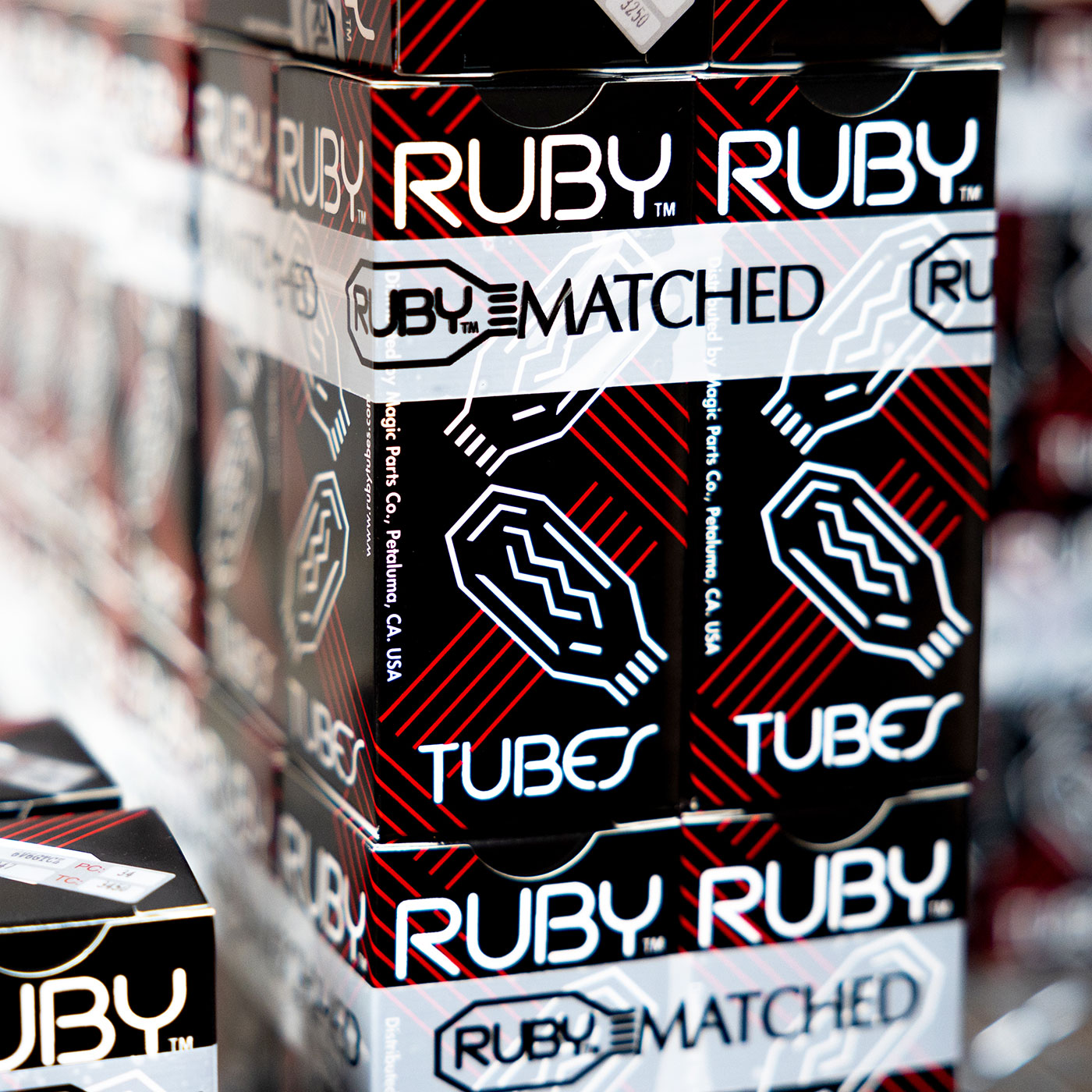
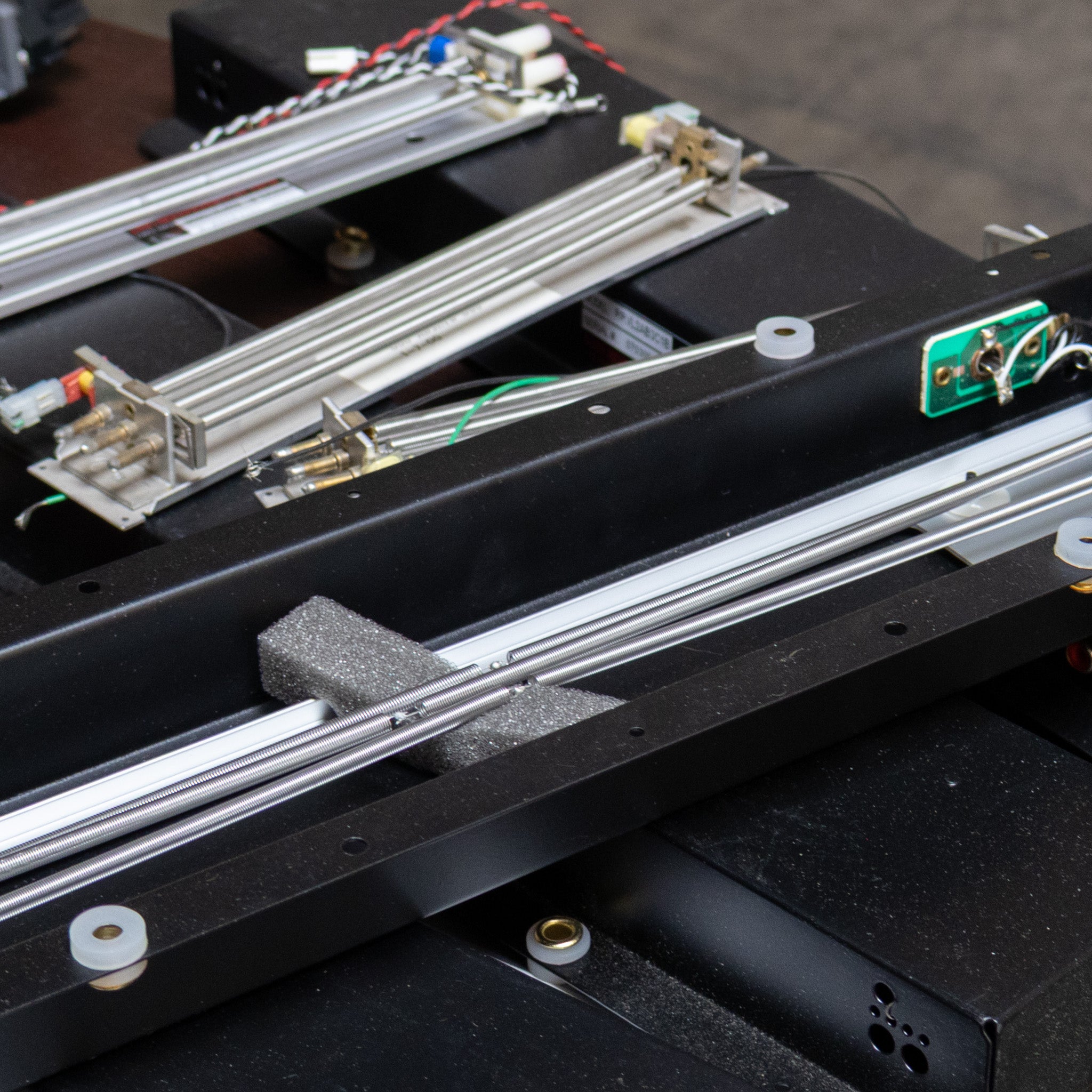
At our shop, we don't just pull boxes off a shelf. Every Ruby Tubes 6L6GC and 5881 goes through a rigorous testing process:
-
Burn-in: We run the tubes at operating temperatures to ensure they won't fail in the first few hours.
-
Precision Matching: We match for both plate current and transconductance.
-
Noise Testing: We check for microphonics and internal leakage.
Buying tested vacuum tubes gives you the confidence that when you plug them in, they will work perfectly and sound incredible right out of the box.
Learn more about how we match and test our tubes
May Tube of the Month Feature: The Ruby 6L6GC-MSTR
This month, we are highlighting the Ruby Tubes 6L6GC-MSTR. This tube is a favorite among touring professionals for one reason: it is nearly bulletproof.
With a robust internal construction and high-quality glass, the MSTR series is designed to handle the high plate voltages of modern amplifiers while maintaining that classic tube amp tone. It offers a slightly more aggressive mid-range than vintage-style tubes, making it perfect for players who need their lead lines to cut through a heavy mix.
Where to Buy Reliable 6L6GC and 5881 Tubes Online
The internet is full of "new old stock" claims and unverified sellers. To get the best performance, you need a retailer that understands the tech behind the tone.
When you choose us, you’re getting:
-
Expert Support: Not sure if you need a 6L6GC or a 5881? We can help.
-
Fast Shipping: We know that a dead amp means a missed gig.
-
Guaranteed Quality: Our matching process is the most precise in the industry.
Find the right replacement tube now
Final Thoughts
The 6L6GC and 5881 aren't just components; they are the soul of your amplifier. By choosing high-quality, matched 6L6GC tubes, you are ensuring that your amp performs with the headroom, clarity, and reliability it was designed for.
Take a moment this May to look at your power section. If your tubes are glowing a little too dim or your tone has lost its luster, it’s time for an upgrade.
Frequently Asked Questions
1. Can I replace 6L6GC with 5881 tubes? Generally, yes, but you must check your amplifier's plate voltage. 5881s have lower voltage and power ratings. If your amp runs at high voltage (common in 100W heads), a 5881 may fail. Always check your power tube replacement guide or consult a tech.
2. Do I need to bias my amp when changing 6L6GC tubes? Yes. In most fixed-bias amplifiers, you must adjust the bias to ensure the new tubes are running within their safe operating range. This ensures longevity and optimal tone.
3. What is the difference between 6L6 and 6L6GC? The "GC" is the highest-rated version of the 6L6 family. Older 6L6, 6L6G, or 6L6GB tubes have lower voltage and heat dissipation limits. The 6L6GC is the industry standard for modern guitar amps.
4. Why are matched pairs important? Matched pairs ensure that each tube in your power section draws the same amount of current. This prevents hum, reduces distortion, and keeps your transformer from working harder than it needs to.
5. How long do 6L6GC tubes usually last? Depending on how hard you drive your amp, a set of quality power tubes typically lasts between 500 to 1,000 playing hours.