





October is when the amps come inside. The patio jams are done, the nights are long, and there is no better time to stand in a dark room and watch your amp glow. This month we are shining the light on the one tube that makes all that glow possible — the tube that powers every other tube in the amp: the 5AR4, also known as the GZ34.
It is the least glamorous tube in the chassis and one of the most important. It doesn't touch your signal directly, but it decides how much power your amp has and how it responds when you dig in. If your amp has gone weak, quiet, or dead, the rectifier is one of the first places to look — and a fresh 5AR4 / GZ34 rectifier is one of the cheapest fixes in the whole amp.

What Is a 5AR4 / GZ34 Rectifier Tube?
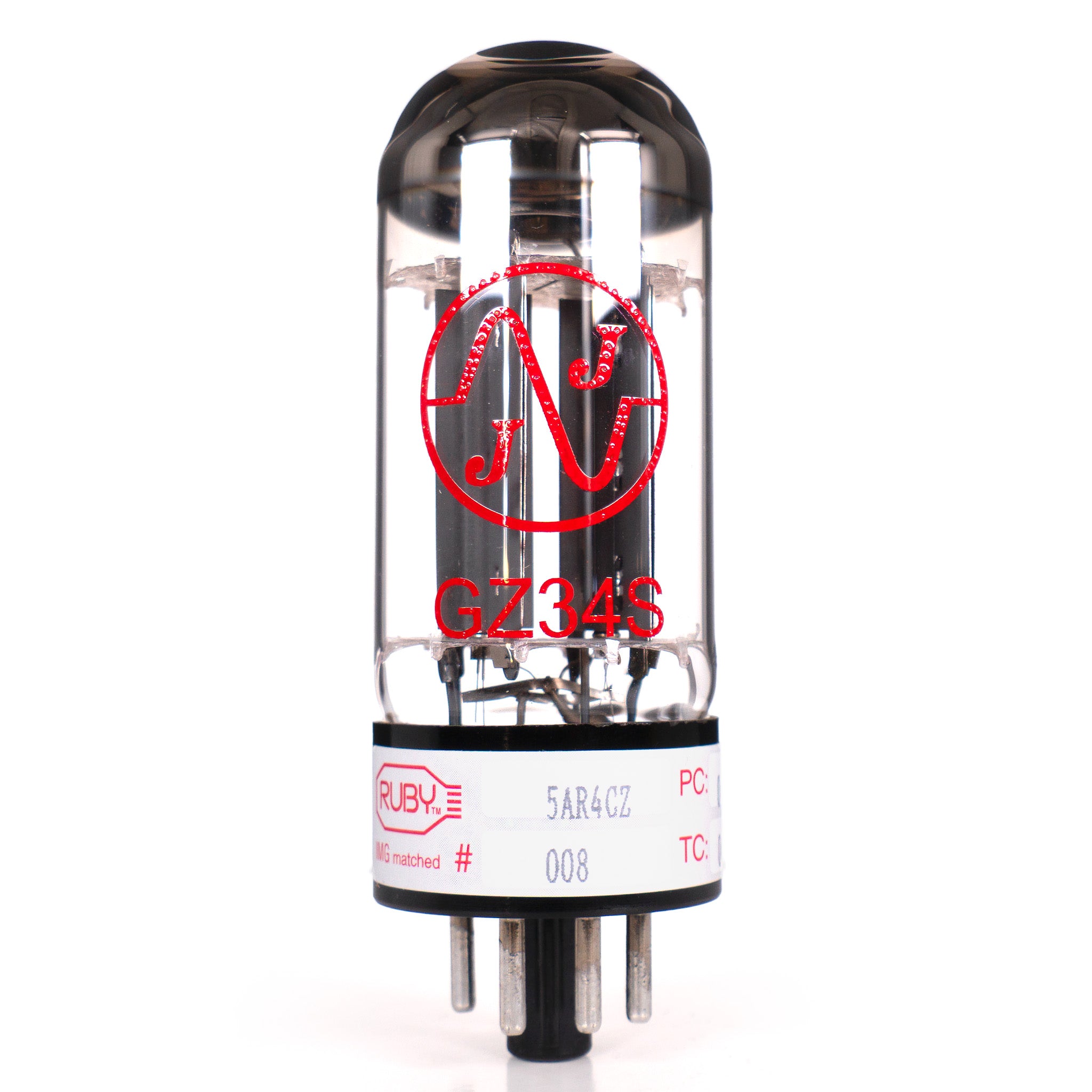
The 5AR4 is a full-wave rectifier tube on an octal base — the tube that converts the wall's AC voltage into the DC high voltage (the "B+") that the rest of your amp runs on. Every preamp and power tube in your amp is drinking from the supply the rectifier feeds. It is the power plant.
You will also see this tube labeled GZ34. That is not a different tube — it is the European (Mullard) designation for the same 5AR4. If your amp calls for a GZ34, a 5AR4 drops right in. Same tube, two names.
What sets the 5AR4 apart from other rectifiers is a mix of two things: an indirectly heated cathode, which gives it a gentle, delayed warm-up, and a low voltage drop, which means it delivers more of the available voltage to your amp than a softer rectifier would. Translation: it runs your amp tight and strong, while still being kind to it on start-up. More on both below.
The Secret Ingredient: Sag
Here is the part that matters to your tone. When you hit the amp hard — a big chord, a hard-picked note — the power section suddenly demands a lot of current, and a tube rectifier can't supply it instantly. The B+ voltage dips for a moment and then recovers. That momentary dip is sag, and it is the source of the springy, touch-sensitive compression and bloom that so many amp lovers chase.
A solid-state (silicon diode) rectifier doesn't sag — it holds voltage stiff and tight, giving maximum power and immediate attack. A tube rectifier like the 5AR4 breathes. The 5AR4 sits at the tighter end of the tube-rectifier world: it sags less than a 5U4 or a 5Y3, so you get much of the warmth and feel of a tube rectifier while keeping a firmer low end and more headroom. It is the "have your cake and eat it too" rectifier.
A Brief History: From Mullard to the JTM45 and AC30
The GZ34 was developed by Mullard in the 1950s, and the vintage Mullard version became one of the most sought-after tubes ever made — NOS examples still command serious money. Builders loved it because it delivered high current with low losses, exactly what a powerful amp needs.
Its résumé reads like a hall of fame. The GZ34 sat in the Marshall JTM45, the Vox AC30 Top Boost, and countless Fender brownface and blackface amps like the Deluxe Reverb. On the hi-fi side, classic amplifiers from the golden age of tube audio leaned on the GZ34 for its clean, stout power delivery. When designers wanted power and feel without a spongy low end, this was the tube they reached for.
5AR4 vs 5U4GB vs 5Y3: Which Rectifier Is Right for You?
These three are the classic guitar-amp rectifiers, and the difference between them comes down to voltage drop and sag — not "tone" in the way a power tube has tone, but feel and response. Important: they are not automatic swaps. Each one hands your amp a different B+ voltage, and your amp was designed around a specific rectifier — so check what your amp calls for before you experiment.
- 5AR4 / GZ34: the tightest and most powerful of the three. Lowest voltage drop, least sag, highest B+ — firm low end, more headroom, quick response. The choice for bigger, punchier amps.
- 5U4GB: the middle ground. More voltage drop and more sag than a 5AR4, for a softer, springier feel. A classic in many Fender and Mesa circuits. See our Ruby 5U4GB.
- 5Y3: the softest and spongiest, with the most sag and the least current — the heart of small tweed amps like the Champ and tweed Deluxe. See our Ruby 5Y3GT.

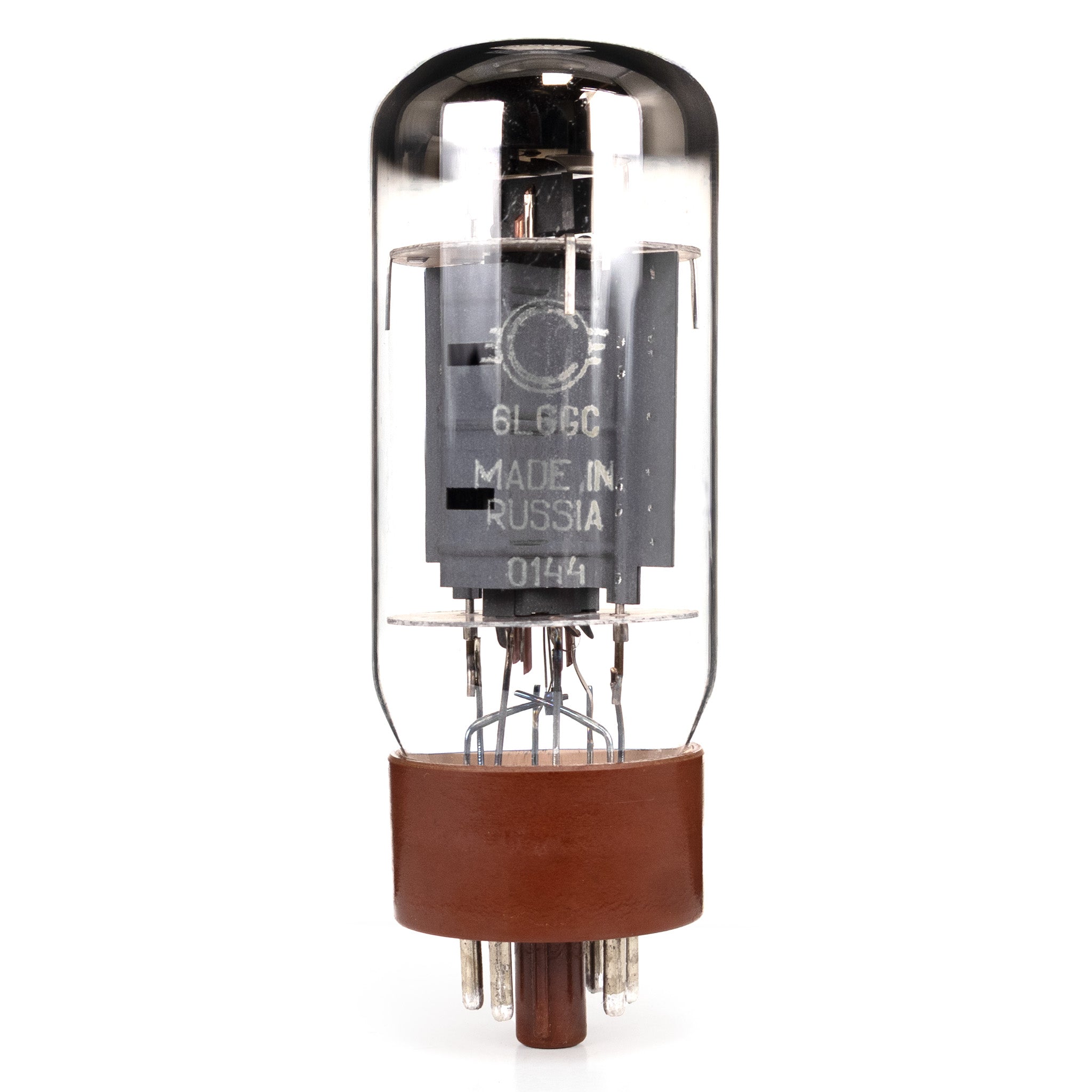
The rectifier also shapes how your power tubes feel. If you're retubing the whole amp, it's worth pairing a fresh rectifier with fresh power tubes — see our guides on the 6L6GC and 5881 and the audiophile-favorite KT88.
Guitar Amps vs. Hi-Fi: One Tube, Two Jobs
In the Guitar World
In a guitar amp, the 5AR4 is all about power and feel — a strong, firm supply with just enough give to stay musical when you push it, tighter than a 5U4 or 5Y3 but still breathing in a way a solid-state rectifier can't fake. If your amp calls for a GZ34, this is the tube that keeps it punchy and responsive, and a prime suspect any time the amp loses power for no obvious reason.
In the Hi-Fi World
Audiophiles prize the 5AR4 for exactly the reasons guitar builders do: high, clean current delivery and a low voltage drop, which means a stout, quiet power supply for the audio circuit. Its gentle warm-up is a bonus in hi-fi, easing the amp to life instead of slamming it on. In vintage and modern tube amplifiers alike, a healthy GZ34 keeps the power supply solid so the music stays dynamic and composed.
The 5AR4's Slow Warm-Up: Why It's Gentle on Your Amp
Because the 5AR4 has an indirectly heated cathode, it warms up slowly — it takes several seconds before it starts passing high voltage. That delay is a feature, not a flaw. It lets the amp's high voltage come up gradually instead of slamming the filter capacitors and the rest of the tubes the instant you flip the switch. That gentle turn-on is easier on the whole amp and is one more reason designers chose the GZ34 for their best circuits.
Do You Need to Bias or Match a Rectifier? (No)
Good news: a rectifier is the simplest tube in your amp to replace. It is a single tube — there is no biasing and no matched set to worry about like there is with power tubes. You pull the old one and drop the new one in. The one thing to get right is the type: don't swap a 5AR4 for a 5Y3 (or a solid-state plug) unless you know your amp is designed to handle the different voltage, and never install a tube rectifier in an amp built only for solid-state rectification. If you're not sure what your amp wants, check the manual or just ask us.
Signs It's Time to Replace Your 5AR4 Rectifier Tube
A rectifier tends to fail in more dramatic ways than a preamp tube. Watch for these warning signs:
- The amp is weak, quiet, or low on power even with everything turned up.
- The amp won't power up at all, or blows a fuse when you switch it on.
- Flabby, mushy low end and a general loss of punch and headroom.
- A bright flash, arcing, or a red/purple glow inside the tube — a sign of a shorting rectifier.
- New hum or a volume that fades as the amp heats up.
Because a shorted rectifier can stress or damage other parts of the amp, don't ignore these signs. When the rectifier is suspect, it's time to shop a fresh rectifier tube.
Why a Quality, Tested Rectifier Matters
Nowhere is a cheap, untested tube a worse gamble than in the rectifier socket. A shorting rectifier can blow a fuse, cook a filter cap, or stress your power transformer — the most expensive part in the amp. A tested, quality rectifier isn't just about tone; it's cheap insurance for everything downstream of it, and the one tube where buying from people who actually test what they sell pays for itself.
October Tube of the Month Feature: The Ruby 5AR4 / GZ34
Our pick for October is the Ruby 5AR4 / GZ34 rectifier tube. It delivers exactly what a great GZ34 should — strong, low-loss power with a gentle warm-up and just the right amount of give when you lean on the amp. It is tested for reliability before it ships and backed by our warranty, and at $25 it is one of the best-value upgrades in your entire amp. Whether you run a JTM45-style head, a blackface Fender, or a tube hi-fi amp, a fresh 5AR4 puts the power and feel right back where they should be.

Not sure whether your amp takes a 5AR4, a 5U4, or a 5Y3? Use our Tube Kit Finder to search by amp model, or just ask us — we do this all day.
Why Buy October's Tube of the Month From Ruby Tubes
You can find 5AR4 tubes in a lot of corners of the internet, but not every tube is treated the same before it ships. We handle every tube like it's going into our own amps:
- Rigorous testing: we test our rectifiers before they ship — critical for the one tube that can take other parts down with it if it fails.
- Real-world checks: we verify our rectifiers do their job under real load, not just on a quick bench check, so the tube that passes here holds up in your amp.
- Fast shipping: you've got shows to play and records to spin. We ship quickly and pack with serious care.
- Expert support: we're gear-heads first. Not sure whether your amp wants a 5AR4, a 5U4, or a 5Y3? We'll help you get it right.
Where to Buy Reliable 5AR4 / GZ34 Tubes Online
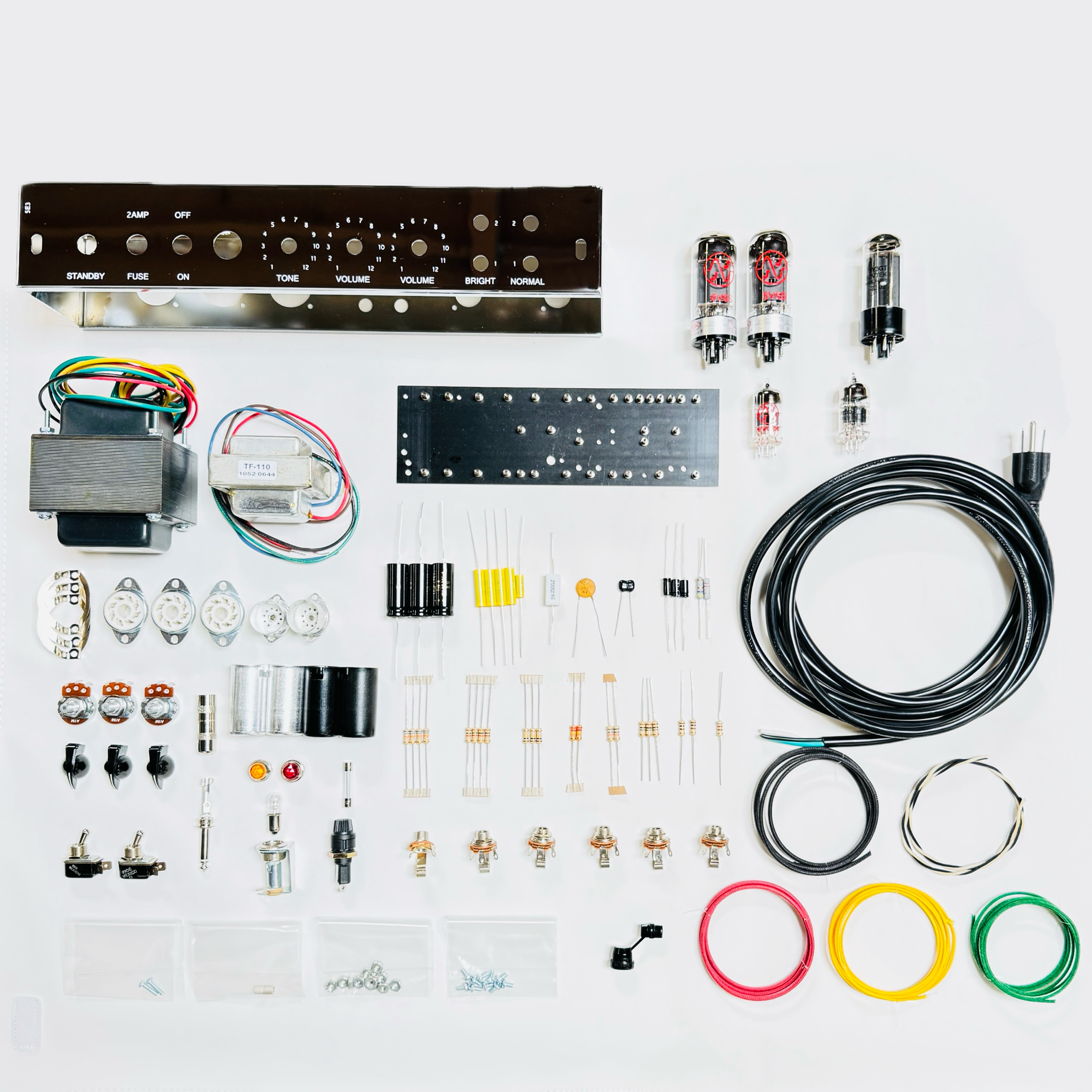
When you buy from a trusted, specialized retailer, you get a rectifier that's tested and ready to power your amp — backed by people who actually know amps. Browse our full lineup of rectifier tubes, or grab a complete tube kit built for your specific amp.
Frequently Asked Questions
1. Is the 5AR4 the same as the GZ34?
Yes. 5AR4 is the American designation and GZ34 is the European (Mullard) one for the exact same rectifier tube. They are interchangeable.
2. Do I need to bias or match a rectifier tube?
No. A rectifier is a single tube with no bias to set and no matched set required. Pull the old one, drop the new one in. Just make sure you install the tube type your amp is designed for.
3. What is sag, and does the 5AR4 have a lot of it?
Sag is the momentary voltage dip when you push the amp hard, which creates that springy, compressed feel. The 5AR4 sags less than a 5U4 or 5Y3, so it stays tighter and punchier while still breathing more than a solid-state rectifier.
4. Can I swap a 5AR4 for a 5U4 or 5Y3?
Only if your amp is designed to handle it. Each rectifier delivers a different voltage, so swapping types changes your amp's B+ and feel — and the wrong choice can under- or over-volt the circuit. Check your amp's spec or ask us before you experiment.
5. Why does my amp lose power or blow a fuse?
A failing or shorted rectifier is a common cause. Because a bad rectifier can stress other parts, replace it promptly with a tested tube — and if the fuse keeps blowing after a fresh rectifier, have a tech look at the amp.
Ready to Power Up for the Season?
As the nights get longer, there's no better time to get your amp glowing its best. If your amp has gone weak, mushy, or dark, a fresh 5AR4 is one of the fastest, cheapest ways to bring it back to full power and feel. Grab October's Tube of the Month, the Ruby 5AR4 / GZ34, or browse all our rectifier tubes and retube with confidence.