



A tube amp that hums, buzzes, crackles, or drops out is usually telling you something specific — and often the fix is a tube, a cable, or where the amp is plugged in, not a trip to the shop. This guide walks through the common noises symptom by symptom, what you can safely check yourself, and the point where the smart move is to hand it to a qualified amp technician.
Read the safety section first. Tube amps are not like pedals or solid-state gear. They run on high voltage, and that voltage can stay stored inside the amp even after it is unplugged.
Read First: Tube Amps Carry Lethal Voltage
Inside a tube amp, the filter capacitors store several hundred volts, and they can hold that charge for a long time after the amp is switched off and unplugged. Contact with a charged capacitor or the wrong point on the circuit can injure or kill you. This is not a scare tactic — it is the reason amp techs use one hand, insulated tools, and a meter before they touch anything inside a chassis.
So we draw a hard line in this guide:
Safe for anyone: everything done from outside the chassis — powering down, letting the amp cool, swapping tubes, checking cables and the speaker, trying a different outlet, cleaning accessible jacks. All of the do-it-yourself steps below stay on this side of the line.
Technician only: anything that means opening the chassis or reaching inside — capacitors, the power or output transformer, the circuit board, internal wiring, soldering, or setting fixed bias with a probe inside a live amp. If a fix requires going in, we say so and stop there. Please don't open your amp to chase a noise unless you are trained and equipped to discharge and measure it safely.
Start Here: Quick Safe Checks
Before you blame a tube, rule out the easy stuff. Do this first, every time:
1. Power down and let it cool. Switch off, unplug, and give the tubes 10–15 minutes to cool before you handle them. They get hot enough to burn.
2. Reseat the tubes. Once cool, gently push each tube fully into its socket and wiggle it lightly. A tube that has walked loose in its socket from vibration is a classic cause of crackle, cut-out, and intermittent noise. Never force a tube, and note the orientation of the pins so it goes back the same way.
3. Swap the cable and the guitar. A bad instrument cable or a noisy guitar makes noise that sounds exactly like an amp problem. Try a known-good cable and a different instrument before going further.
4. Change the outlet and the room. Move the amp to a different circuit, away from light dimmers, LED and fluorescent fixtures, routers, and power strips full of wall-warts. A lot of "amp hum" is really dirty power or interference from the room.
5. Check the speaker connection. A partially unplugged or damaged speaker cable can cause dropouts and buzz. Make sure the amp is connected to a working speaker or cabinet at the correct impedance — never run a tube amp with no speaker load.
If the noise survives all five checks, the sections below narrow it down.
Why Is My Tube Amp Humming or Buzzing?
Hum is the most common complaint, and it has several distinct causes:
Ground loops and dirty power. A low, steady 60-cycle hum that changes as you move the amp, touch the strings, or plug into a different outlet usually points to grounding or the power feeding the amp — not a fault in the amp itself. Try a different circuit and remove nearby dimmers and switching power supplies from the same outlet.
A noisy or microphonic preamp tube. Preamp tubes (12AX7 and family) are the usual suspects for hum and hiss that stay constant regardless of the room. The safe test is to swap in a known-good preamp tube one at a time and listen. Browse replacements in preamp tubes.
Failing filter capacitors. A loud, heavy hum that has crept in over months — often with a physical buzz — can mean the amp's filter caps are wearing out. This is technician-only work: those caps hold lethal charge. If the quick checks and a preamp-tube swap don't fix a growing hum, book a tech.
Normal single-ended hum. Some small single-ended amps hum a little by design, especially at low volume in a quiet room. If it has always done it and it disappears when you play, that may just be the amp's nature.
Why Is My Tube Amp Crackling or Popping?
Crackle, popcorn frying, and random pops are most often a tube going bad or a dirty connection:
A failing preamp tube. Intermittent crackling and popping that isn't affected by playing is very often a preamp tube breaking down internally. Swap them one at a time with known-good tubes to find the culprit.
Dirty tube sockets or controls. Oxidized socket pins and scratchy pots cause crackle when tubes settle or when you turn a knob. A contact cleaner such as DeoxIT (CAIG) applied to accessible jacks and pot shafts can clear it up. If the sockets themselves are worn, replacement sockets live in tube sockets — but socket replacement is soldering work best left to a tech.
A tube arcing. A sharp visual flash or a loud snap from a tube usually means that tube has failed and should be replaced. Power down, let it cool, and swap it.
Why Is My Tube Amp Squealing or Feeding Back?
A squeal, ring, or runaway feedback that isn't coming from your pickups is the signature of a microphonic tube — usually a preamp tube whose internals have gone mechanically loose and are now "hearing" the amp's own vibration. The safe field test: with the amp on at low volume, gently tap each preamp tube with a pencil eraser. The microphonic one will ring or howl loudly through the speaker. Replace it. Fresh, quiet preamp tubes are in preamp tubes.
Why Is My Tube Amp Quiet, Cutting Out, or Making No Sound?
Check standby and the signal path first. Make sure the amp is off standby, the volume is up, and your cable, guitar, and speaker are all good (the quick checks above).
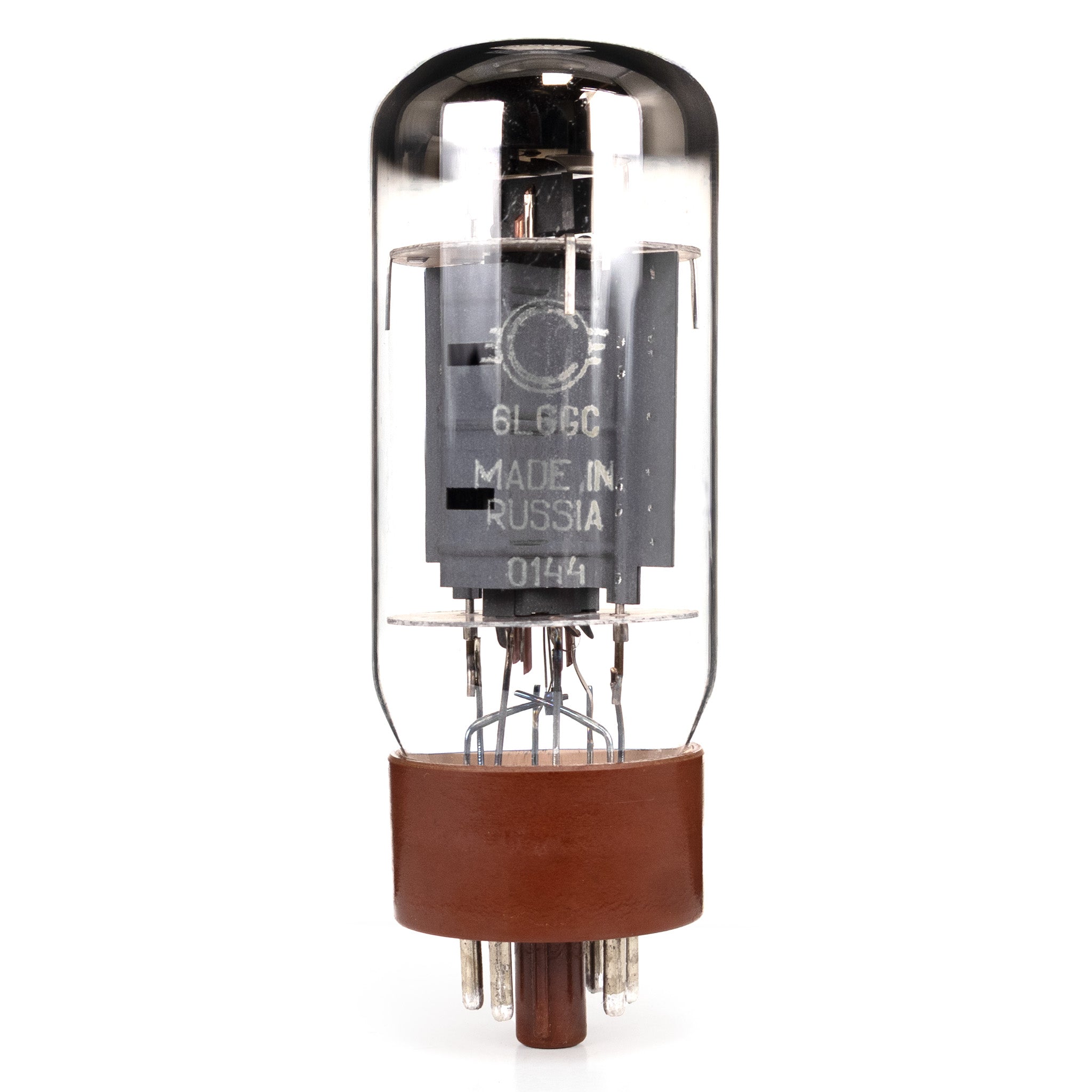
A dead or weak tube. Low output, a thin lifeless tone, or one side dropping out often means a power tube has failed or a preamp tube has gone weak. On amps with a pair or quad of power tubes, a single dead tube can make the amp go quiet or muddy. A matched replacement set is the fix — see power tubes.
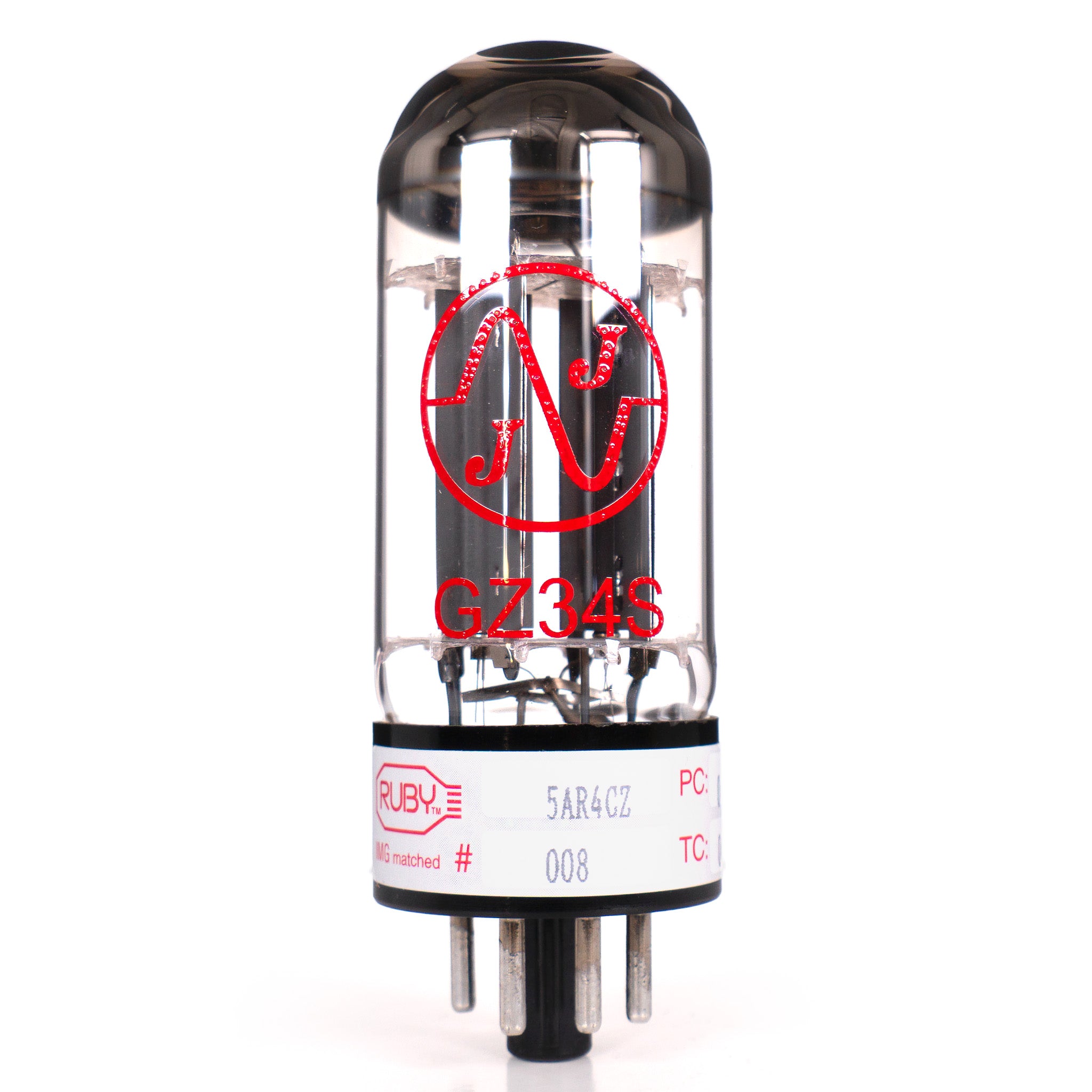
A blown rectifier tube. If your amp uses a tube rectifier (such as a GZ34/5AR4) and goes completely dead, that tube can be the cause. Replacements are in rectifier tubes.
Total silence with the pilot light on and no obvious bad tube can point to something internal — a fuse, the output transformer, or a bias fault. That's a tech visit.
Why Does My Tube Amp Keep Blowing Fuses?
A fuse that blows is doing its job — it's protecting you and the amp from a real fault. Read this carefully:
Never install a fuse with a higher rating than the amp specifies, and never bypass a fuse. The fuse is a safety device. Forcing a bigger one to "make it stop blowing" can turn a cheap repair into a fire or a destroyed transformer. Always replace with the exact type and rating printed on the amp or in the manual. Correct-spec fuses are in fuses.
The usual cause is a shorted or red-plating power tube. A failing output tube can draw too much current and pop the fuse. If a fresh, correctly rated fuse blows again right away, stop — do not keep feeding it fuses. The amp needs a technician to find the short safely.
How to Tell Which Tube Is the Problem
The safest and most reliable home diagnostic is the swap test: with the amp cool, replace tubes one at a time with known-good ones and listen after each change. Keep a spare preamp tube and a matched spare set of power tubes on hand — it turns most "is it the amp?" panics into a five-minute fix.
One exception overrides everything: red-plating. If you ever see a power tube glowing cherry-red on the plate (the large internal metal structure, not the normal orange filament glow), switch the amp off immediately. Red-plating means a tube is running away and can damage the amp. Let it cool, and do not run the amp again until the tube is replaced and, if it happens with the new tube too, the bias is checked by a tech.
When to Call a Qualified Amp Technician
Hand the amp to a professional when the problem points inside the chassis, including: a hum that a tube swap doesn't fix (suspected filter caps), repeated fuse blowing, setting fixed bias after a power-tube change, any burning smell, visible damage, a dead amp with no bad tube, or anything involving the transformers or internal wiring. None of that is a knock on you — it's high-voltage work with real risk, and a good tech has it sorted quickly and safely.
If you bought your tubes from us and one has failed, don't fight it — reach out. Every Ruby tube carries a 6-month warranty, and our team can help you figure out whether a tube is the cause. Contact us any time through the contact page.
Ready for Fresh Tubes?
Most of the noises above come back to a tube that's tired, loose, or gone bad — and a tested, matched set fixes them for good. Every set we ship is tested at real plate voltages, matched to tight tolerances, and burned in under load, so you're not chasing a new problem the day you install it. Details on our matching and testing process.
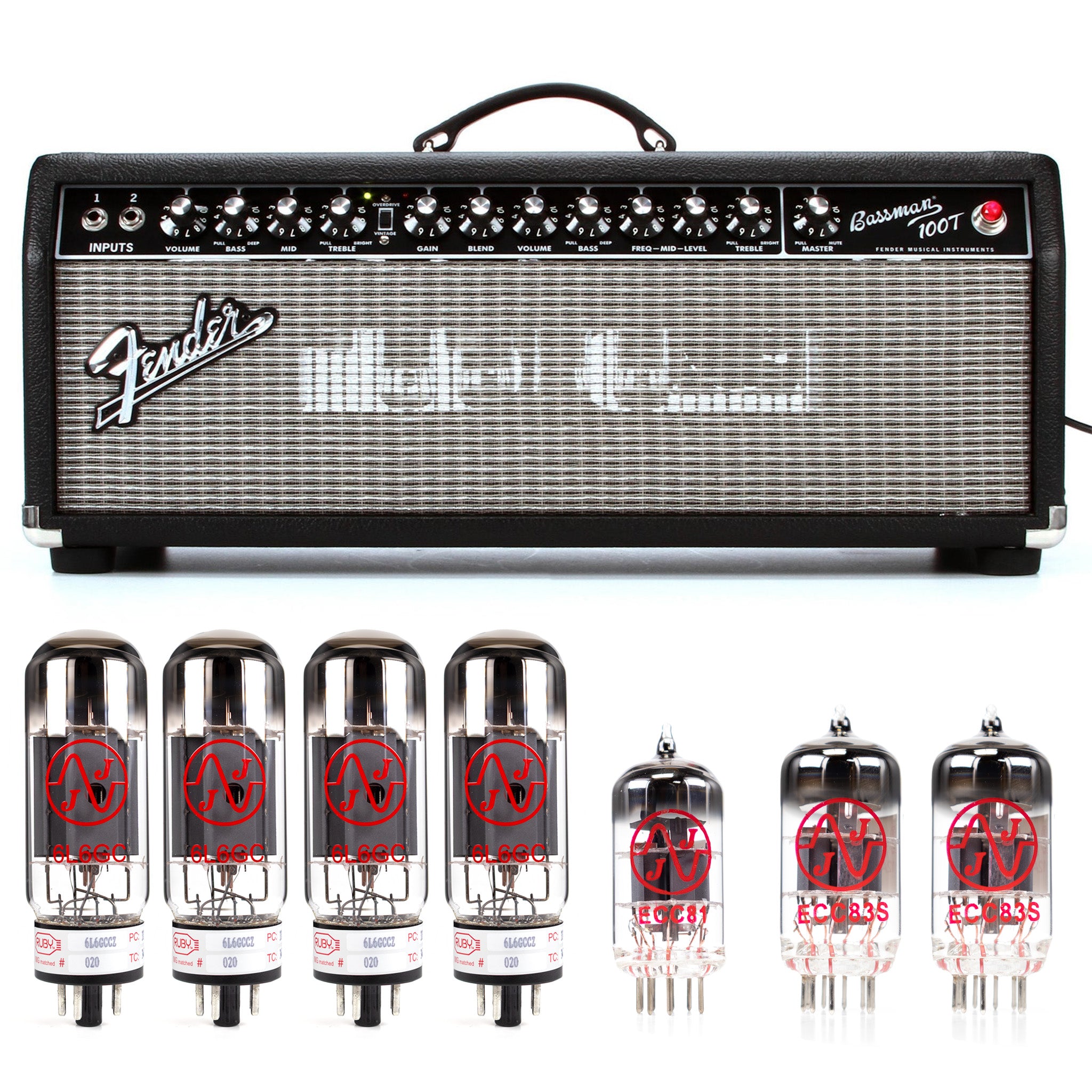
Not sure exactly what your amp takes? Start with Find Your Tubes by Amp, grab a ready-made tube kit, or browse power tubes and preamp tubes directly.
Frequently Asked Questions
Why is my tube amp buzzing when I'm not playing?
A steady buzz or hum at idle is usually grounding or dirty power (try a different outlet, away from dimmers and switching supplies) or a noisy preamp tube. If it has grown louder over months, suspect the filter capacitors — that's a technician repair because those caps hold lethal charge.
Can a bad tube damage my amp?
It can. A shorted or red-plating power tube can blow fuses and stress the output transformer. If you see a plate glowing red, shut the amp down immediately and replace the tube before running it again.
Is it safe to change my own tubes?
Yes — swapping tubes from outside the chassis is safe once the amp is off, unplugged, and cooled. What's not safe is opening the amp to work inside it; the capacitors can hold a dangerous charge even when unplugged. Leave internal work to a qualified tech.
Do I need to re-bias after replacing power tubes?
It depends on the amp. Fixed-bias amps need the bias set for the new power tubes (a tech job, or via the amp's built-in meter if it has one). Cathode-biased (self-biasing) amps take a matched set plug-and-play. Preamp and rectifier tubes don't need biasing.
My amp blows a fuse every time — what do I do?
Replace it once with the exact rating specified. If that one blows immediately, stop and see a tech. Never fit a higher-rated fuse or bypass it — the fuse is protecting you and the amp from a real fault.
How do I know if it's the tube or the amp?
Use the swap test: with the amp cool, replace tubes one at a time with known-good spares and listen. If a fresh tube fixes it, you're done. If the noise stays after swapping every tube, the problem is likely internal and needs a technician.
Bottom Line
Work from the outside in: quick safe checks, then a tube swap, then a tech for anything internal. Most amp noise is a loose, tired, or failed tube — and that's the easy, safe fix. When you're ready to retube, browse power tubes, preamp tubes, and tube kits, all tested and matched before they ship.
Safety note: This guide is general information for musicians, not repair instructions for the inside of your amplifier. Tube amplifiers contain high voltages that can remain stored in the capacitors after the amp is unplugged and can cause serious injury or death. Do not open your amp's chassis unless you are trained and equipped to safely discharge and measure it. All internal service, biasing, and component repair should be performed by a qualified amp technician. Ruby Tubes (Magic Parts LLC) is not responsible for injury or damage resulting from work performed on your equipment. If in doubt, consult a professional.