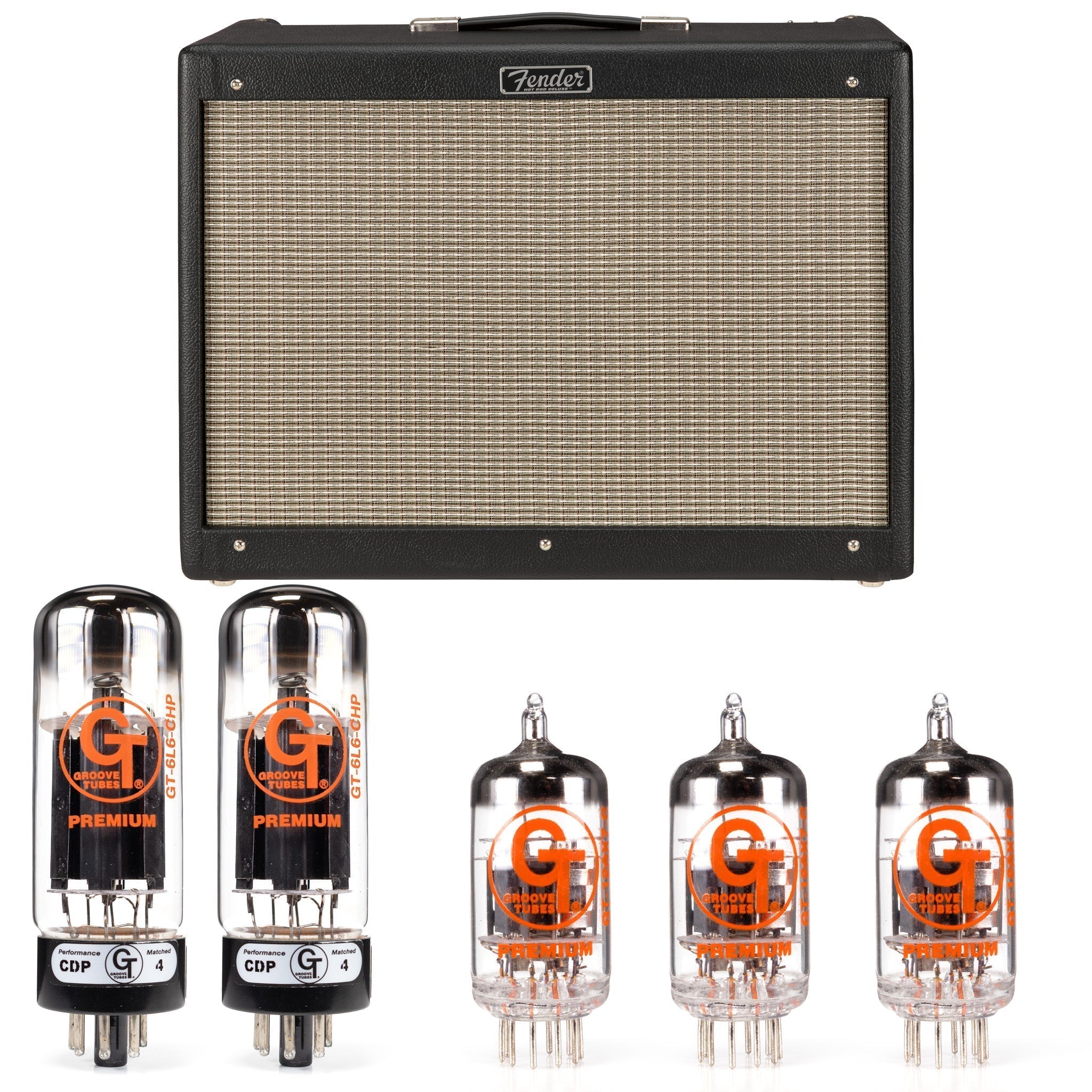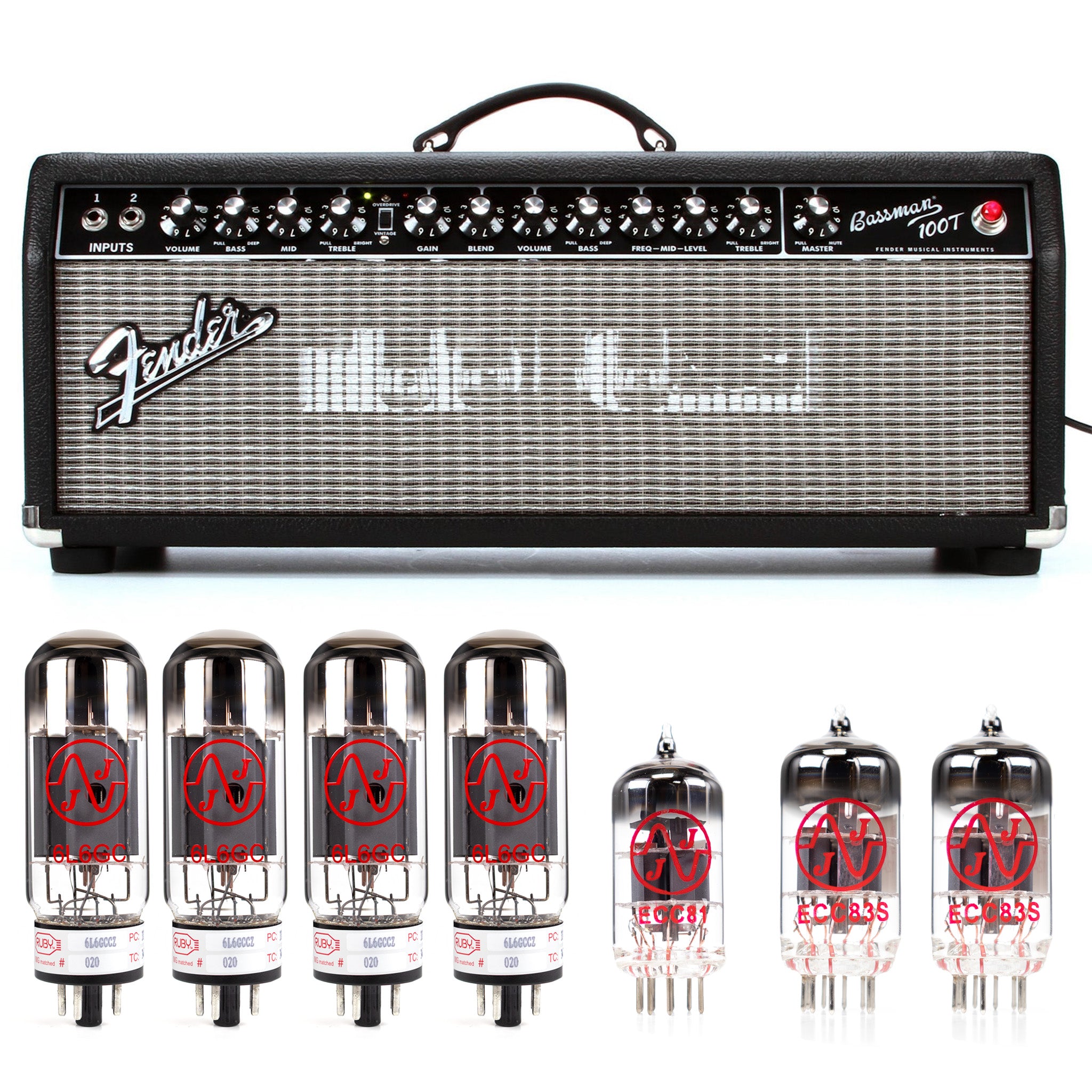




The tubes in a hi-fi amplifier shape its sound as much as the circuit around them. This guide explains what each type of tube does, how the main hi-fi power tubes differ, when to replace them, and how to choose a set that measures and sounds right.
How a Tube Amplifier Colors the Sound
Tube amps distort differently than solid-state amps. As they approach their limits they add mostly even-order harmonics (octaves of the original notes), which the ear reads as musical rather than harsh, and they clip softly instead of squaring off abruptly. Output tubes also feed a transformer, whose interaction with the speaker load adds its own character. The result is the "warmth" tube gear is known for. It is a real, measurable behavior, not marketing.
The Three Tube Types in a Hi-Fi Amp
Power Tubes
Power tubes drive the output transformer and set most of the amp's character and wattage. The common hi-fi types are the KT88, EL34, 6550, KT66, and the single-ended triode 300B. They run hot, wear fastest, and are the tubes you replace most often. See the full range in power tubes.
Small-Signal (Preamp) Tubes
Small-signal tubes — 12AX7, 12AU7, 6SN7 and the like — handle the low-level input and driver stages that set gain and tonal balance. They last far longer than power tubes but still affect detail and imaging. This category also includes specialty tubes such as the 6386 vari-mu triode used in classic studio compressors (see below). Browse preamp tubes.
Rectifier Tubes
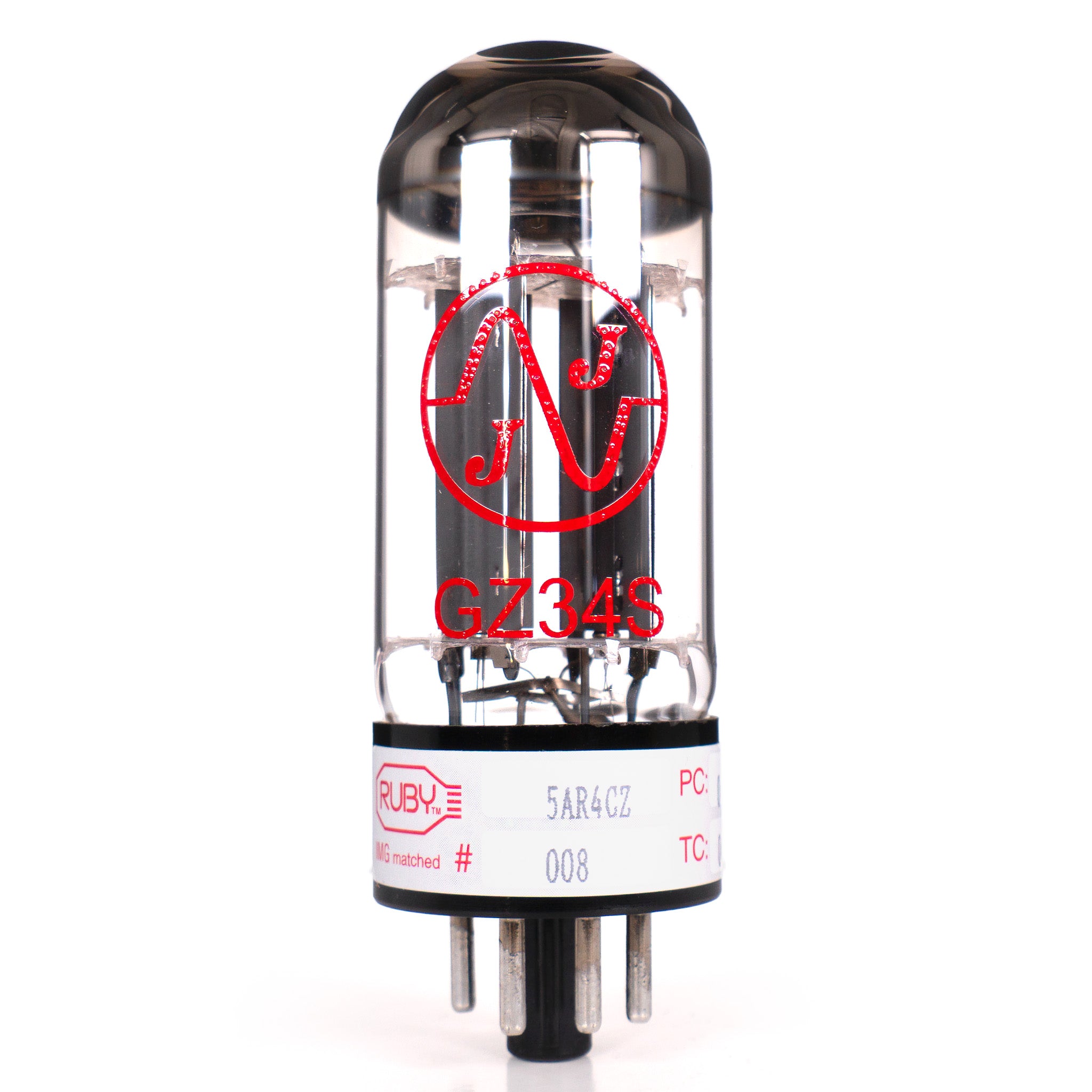
Some amps rectify AC to DC with a tube such as the GZ34/5AR4 rather than diodes. A tube rectifier sags slightly under load, softening transients — a trait some listeners prefer. If your amp uses one, see rectifier tubes.
The KT88: The Reference Hi-Fi Power Tube
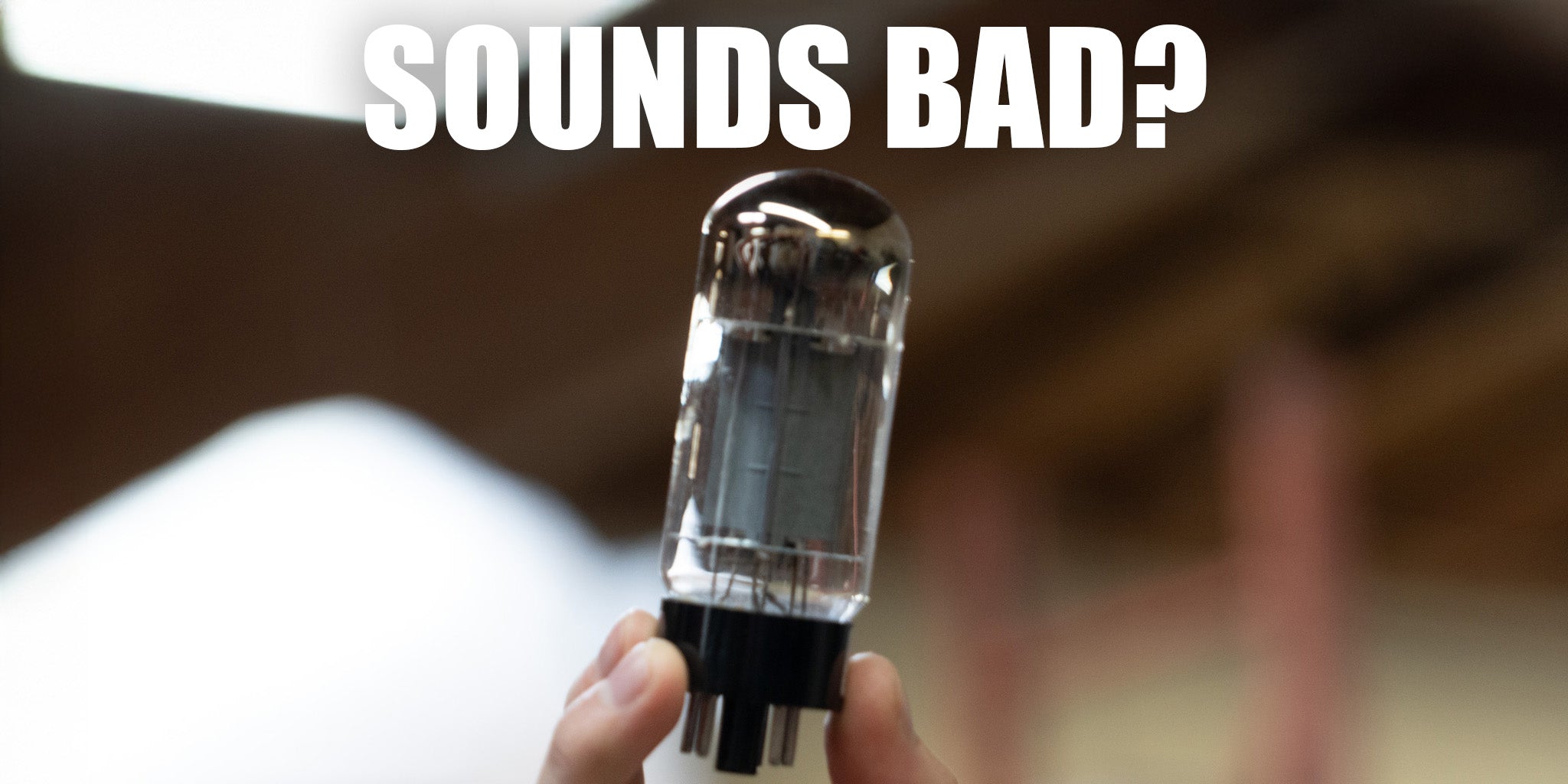
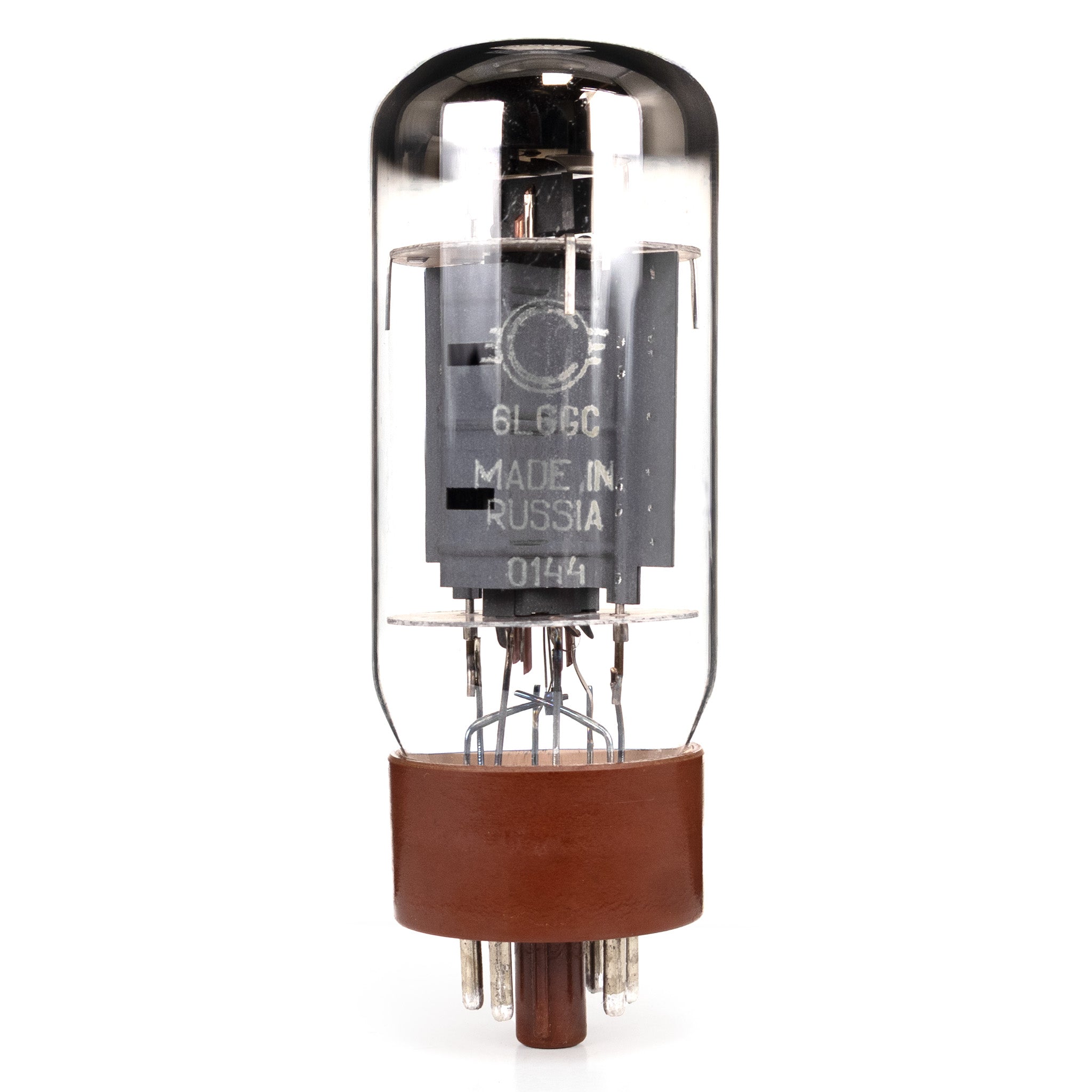
GEC introduced the KT88 in the U.K. in 1956 as a larger version of the KT66. It is a beam power tetrode ("KT" = Kinkless Tetrode) built specifically for audio. It handles up to 42 watts of plate dissipation and plate voltages to 800V — among the highest in its class. A push-pull pair makes about 100 watts at full output, or roughly 50 watts at the low distortion levels used in hi-fi. Because of that high-power, low-distortion profile, the KT88 has always been more popular with hi-fi manufacturers than with guitar builders, and it shipped in amps like the Hiwatt, Marshall Major, and some Ampeg models.
For a deeper breakdown of tone, biasing, and brand differences, see our KT88 Tube of the Month guide.
KT88 vs EL34 vs 6550 vs 300B
The KT88 is the high-power, low-distortion all-rounder for full-range music and harder-to-drive speakers. The EL34 makes less power and is favored for a forward midrange. The 6550 is close to the KT88 electrically but slightly more neutral. The 300B is a low-power single-ended triode (typically under 10 watts per channel) that needs high-efficiency speakers but is prized for its directness. Your amp determines which types it can run — check the manual before switching tube families.
Spotlight: The 6386 Vari-Mu Tube
The 6386 is a remote-cutoff (variable-mu) dual triode best known from classic studio compressors — the Fairchild 660/670, Manley, and Sta-Level units that shaped decades of recordings. Its variable gain characteristic is what makes those compressors work, and good 6386s were hard to source for years. The JJ 6386LGP ($190.95) is a current-production replacement with gold pins for reliable contact, built to return a compressor to spec. If you run vintage or reissue vari-mu gear, this is the tube that keeps it alive.
Recommended KT88 Tubes
We stock KT88s across the price range — the full list is in the KT88 collection. Three we recommend most:
Ruby KT88-STR — our house KT88, tested and matched in-house. Best value for most systems; single, pair, or quad from $50.
Genalex Gold Lion KT88 — a reissue of the original British KT88. Reference-grade; the premium pick. From $89.99.
JJ KT88 — robust, consistent, and dependable for everyday listening. From $60.
Matching and Biasing
Power tubes should be matched so each draws the same current — a matched pair for a stereo amp, a quad for four-tube designs. Matching keeps channels balanced, reduces output-transformer stress, and evens out wear. Most hi-fi power amps are fixed-bias, meaning bias must be set (by a technician or via the amp's built-in meter) when you install new power tubes: too cold sounds thin, too hot shortens tube life or risks damage. Some amps are self-biasing (cathode-biased), where a matched set is effectively plug-and-play. Small-signal and rectifier tubes don't need biasing.
When to Replace Your Tubes
Power tubes typically last 2,000–5,000 hours; small-signal tubes often exceed 10,000. Replace them when you notice reduced bass or dynamics, a flatter soundstage, new hum or hiss, one channel differing from the other, microphonic ringing, or any red glow on the plates (red-plating — shut down immediately). A practical routine: check bias every six months, plan to retube every two to three years of regular use.
Why Buy Hi-Fi Tubes From Ruby
Tubes from the same production run vary in transconductance, plate current, and noise, so testing and matching decide how good a retube actually is. Every set we ship is individually tested, matched to tight tolerances, and burned in under load to catch early failures. We test at real plate voltages — a tube can pass on a low-voltage handheld tester and still fail in a hi-fi amp. We grade honestly, ship fast, and can help you choose the right set. Details on our matching and testing process, or go straight to the KT88 tubes.
Frequently Asked Questions
Are tube amps better than solid-state for hi-fi?
They're different, not strictly better. Tube amps add even-order harmonics and clip softly, which many listeners prefer; solid-state offers more power per dollar and less maintenance. Preference and speaker matching decide it.
What are the best tubes for hi-fi audio?
For power: KT88, EL34, 6550, KT66, and 300B, with the KT88 the most popular for its power and low distortion. For small-signal stages: 12AX7, 12AU7, and 6SN7. The right choice depends on your amplifier.
Is the KT88 good for hi-fi?
Yes. It was designed for audio, makes high power at low distortion, and has been a hi-fi standard since 1956. It suits full-range music and speakers that need control and headroom.
How long do hi-fi tubes last?
Power tubes: about 2,000–5,000 hours. Small-signal preamp tubes: often 10,000+ hours. Most listeners retube every two to three years and check bias every six months.
Do hi-fi tubes need to be matched?
Power tubes should be matched so each draws the same current, which balances channels and extends life. Small-signal tubes generally don't require matching, though matched pairs can help imaging in some designs.
What is tube rolling?
Swapping different tube brands or types in the same amp to adjust its sound. It's a simple, reversible way to fine-tune a system to your taste.
Are NOS (vintage) tubes better than new production?
Some NOS tubes are excellent, but genuine stock in good condition is rare and expensive, and fakes are common. Today's best current-production tubes are consistent and warrantied — usually the smarter buy.
Bottom Line
Match the tube family to your amp, buy a tested and matched set, and bias it correctly. Browse the KT88 tubes or all our power tubes to get started.