



Amp sounding weak, noisy or squealing? Before you buy a full set of tubes, find out which one is actually bad. You can do most of it without a tube tester and without opening the chassis. Here's how.
Safety first: tubes get hot enough to burn you, so let them cool before you pull them. Never open the chassis. The filter caps inside hold lethal voltage even when the amp is unplugged. Everything below is done from the outside.
Step 1: Match the symptom to the tube
| What you hear or see | Most likely culprit |
|---|---|
| Squeal, ringing or "pinging" that gets worse with volume or when you tap the amp | A microphonic preamp tube, usually V1 |
| Crackling, popping or hiss with nothing plugged in | A noisy preamp or power tube |
| Lower volume, thin or flubby lows, no punch | Worn power tubes |
| One power tube's plates glowing red | Red plating: a failing tube or a bias problem. Turn the amp off now. |
| Fuse blows when the amp warms up | A shorted power tube or rectifier |
| A tube doesn't light up at all | Burned-out heater. That tube is dead. |
| Milky white or brown patch where the silver getter used to be | The tube has lost its vacuum. Replace it. |
| Purple haze filling the inside of the tube | A gassy tube. (A thin blue glow on the inside of the envelope is normal.) |
| Constant hum that doesn't change with the volume knob | Could be a power tube or rectifier, but often filter caps. Time for an amp tech. |
For more on noise problems, see why your tube amp is buzzing, humming or crackling.
Step 2: The tap test (preamp tubes)
- Turn the amp on, let it warm up and set the volume to a moderate level with the gain up. Nothing needs to be plugged in.
- Using a wooden chopstick or the eraser end of a pencil, never anything metal, lightly tap each preamp tube one at a time.
- A healthy tube makes a dull thud or nothing at all. A microphonic tube rings, pings or feeds back through the speaker.
- Note which tube rings the loudest. That's your problem tube.
Tip: tapping one tube shakes the whole chassis a little, so tap gently and compare. The loudest ringer is the one to replace.
Step 3: The swap test
No tester? Swapping tubes is the most reliable way to find a bad one.
Preamp tubes
- Power the amp off and let it cool.
- Swap the suspect tube with a known-good tube of the same type, or move it to a different 12AX7 position.
- If the problem moves with the tube or disappears when the new tube goes in, you found it.
Power tubes
- Power off and let the tubes cool completely.
- Swap the positions of two power tubes. If the symptom follows a tube, that tube is bad.
- Replace power tubes as a matched set, not one at a time. A new tube next to a worn one throws the pair out of balance.
- In a fixed-bias amp, new power tubes need a bias check. Cathode-biased amps (most EL84 combos and many 6V6 amps) adjust themselves.
Step 4: Testing with a tube tester
A tube tester gives you numbers instead of guesses. There are two common types:
- Emission testers check whether the cathode still gives off enough electrons. Good for spotting a worn-out tube, but they don't show how well the tube actually amplifies.
- Mutual conductance (transconductance) testers measure how much the tube's output changes with its input, which is closer to how it works in your amp. This is the reading used to match tubes.
Either type also checks for shorts and leakage between elements. A tester won't catch microphonics or noise, though. That only shows up when the tube is playing in an amp, which is why the tap test still matters.
How we test every tube before it ships
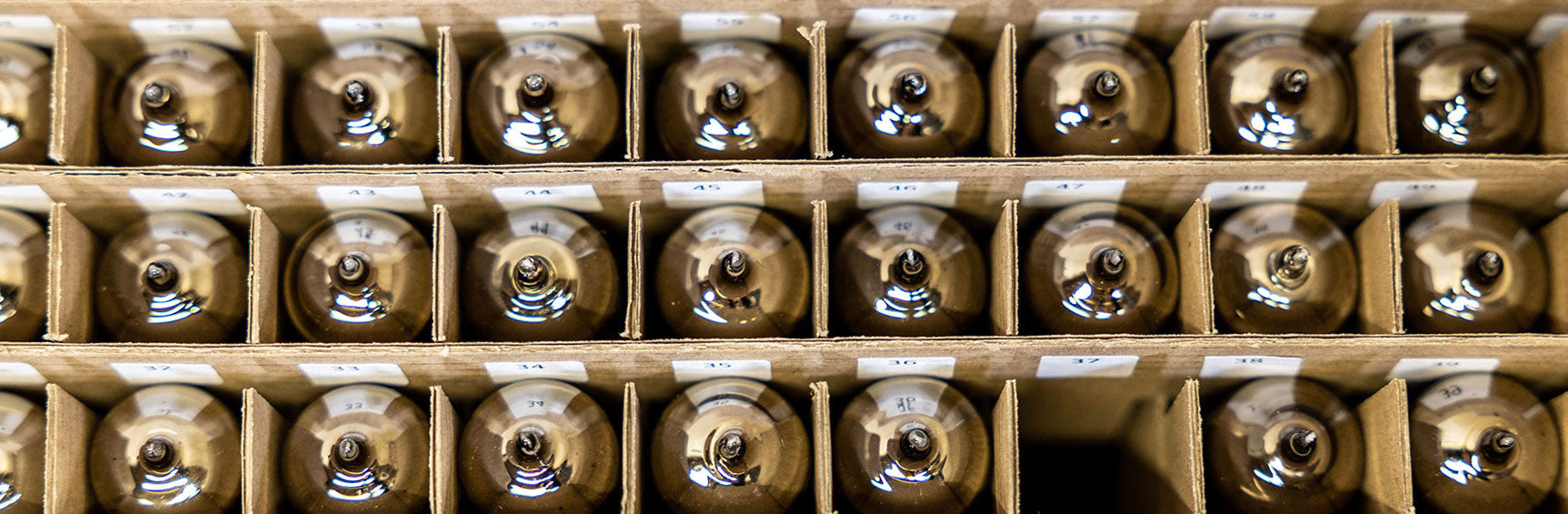
Every tube we sell goes through the same process before it leaves our shop in California:
- Burn-in to weed out early failures before they reach your amp.
- Bench test of each tube individually, including checks for noise and microphonics.
- Match and grade power tubes by plate current and transconductance so pairs and quads share the load evenly.
Tubes that don't meet spec don't ship. Every tube is covered by our 6-month warranty. Read more about our matching and testing process.
When to replace your tubes
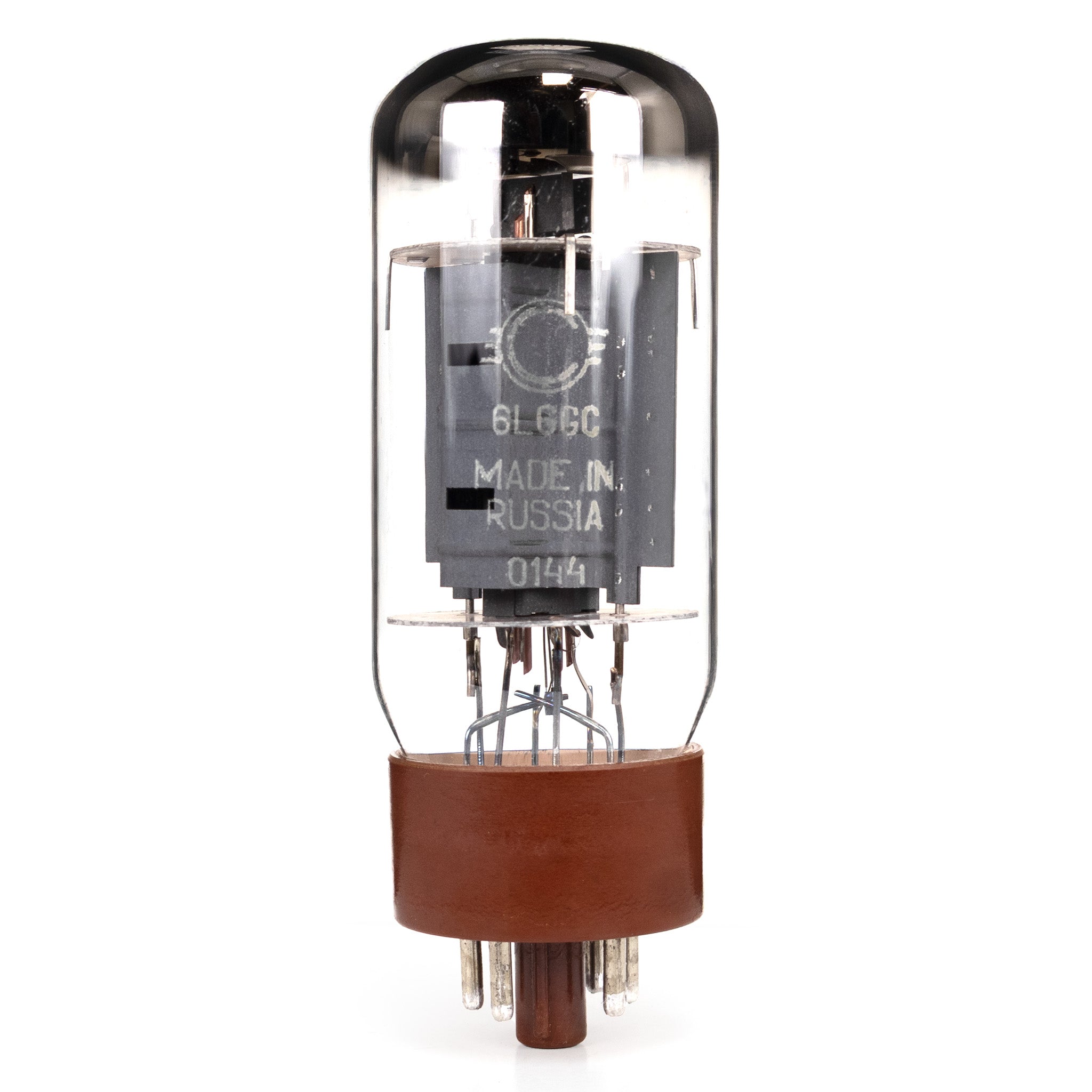
- Power tubes: they wear out first. If you gig a lot, plan on new ones every year or two. Lighter use can go much longer. Replace when you lose volume, punch or clarity.
- Preamp tubes: they can last for many years. Replace one when it gets noisy or microphonic.
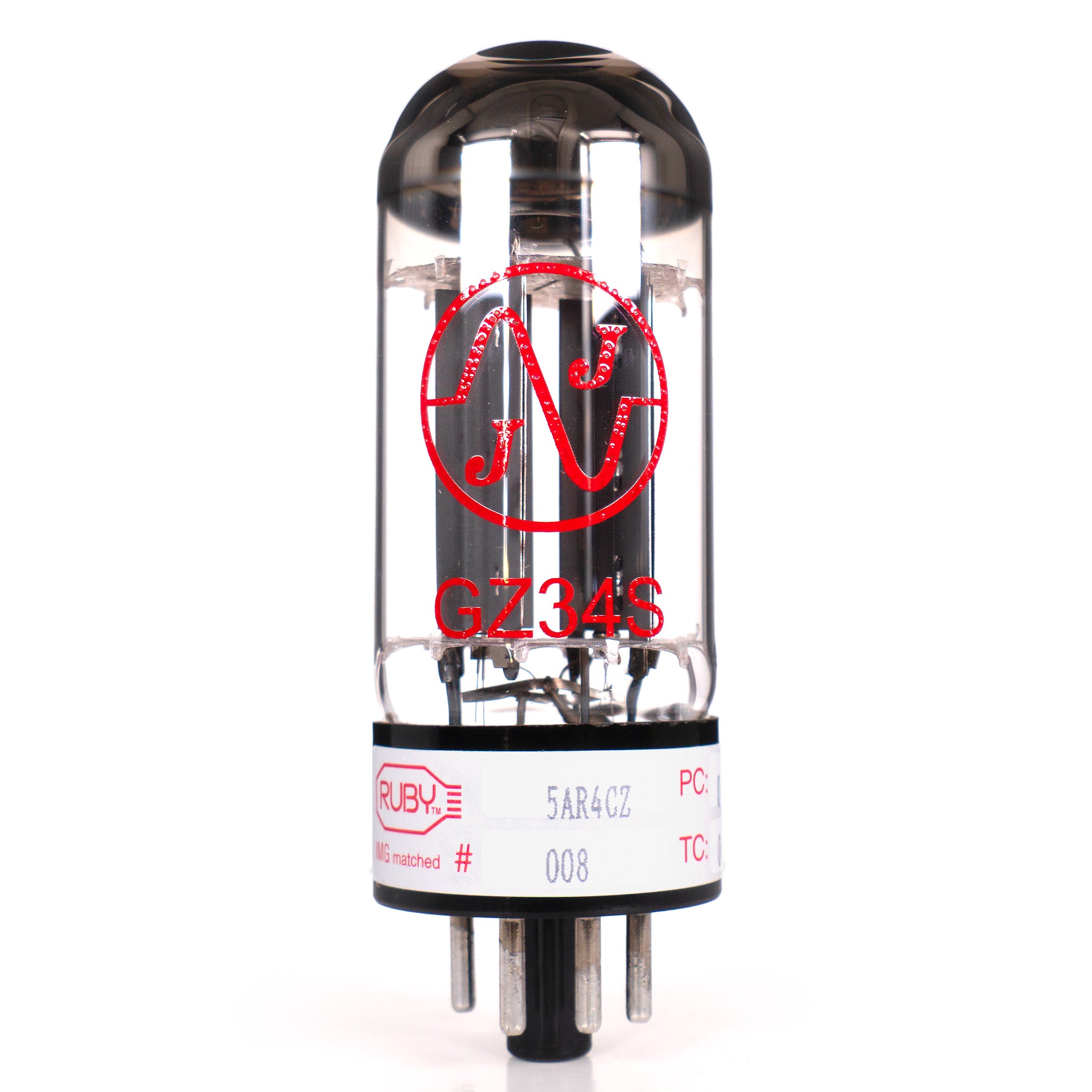
- Rectifier tubes: replace when the amp loses voltage or blows fuses.
More signs in how to know your guitar amp needs new tubes.
FAQ
How do I know which tube is bad in my amp?
Match the symptom to the tube type, then use the tap test for preamp tubes and the swap test for power tubes. The bad tube is the one the problem follows.
Can I test a tube without a tube tester?
Yes. The tap test and swap test find most bad tubes. A tester adds numbers, but it can't hear microphonics or noise the way your amp can.
Should I replace all my tubes at once?
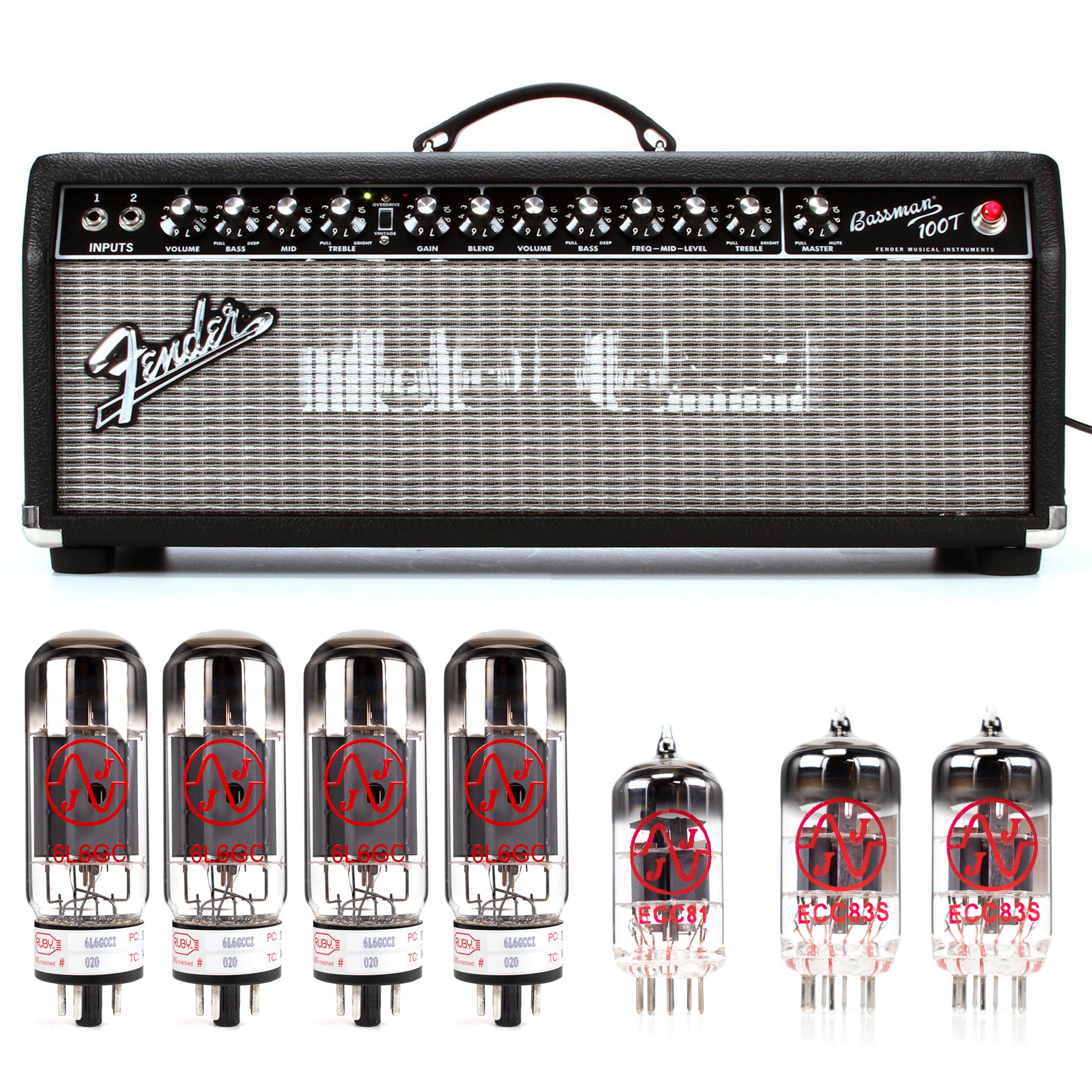
Not always. Power tubes should be replaced as a matched set. Preamp tubes can be replaced one at a time. If the amp has never been retubed, a full tube kit is the simplest fix.
Is a blue glow in my tube bad?
A thin blue glow on the inside of the envelope or around the plates is normal and harmless. A purple haze filling the whole tube means it's gassy and should be replaced.
What does red plating mean?
The plates inside a power tube are glowing red because the tube is drawing too much current. Turn the amp off right away. It's either a failing tube or a bias problem, and running it will damage the tube and possibly the amp.
Found the bad one? Shop preamp tubes, shop power tubes, or find a complete kit for your amp.