





How to Know Your Guitar Amp Needs New Tubes: Improve Your Tone Now
The rich, harmonic warmth of a tube amplifier is something every guitar player cherishes, but because these components rely on physical filaments and vacuum-sealed glass, they won't last forever. Over time, every player faces the inevitable question of when to replace guitar amp tubes to keep their rig sounding its best. Unlike a digital pedal that either works or it doesn’t, vacuum tubes tend to age gracefully—or sometimes disgracefully—giving off several warning signs that their performance is beginning to dip. Recognizing these symptoms early can save you from a mid-performance failure and ensure your "signature sound" stays intact.
One of the most common signs of bad amp tubes is a gradual loss of tonal character. You might notice your guitar amp losing tone, sounding muddy, or lacking the high-end sparkle it once had. This often manifests as a loss of "headroom," where the amp begins to distort much earlier than usual, or the low-end frequencies feel loose and undefined. Because this degradation happens slowly over dozens of hours of play, it can be hard to spot immediately. However, if you find yourself constantly reaching for the EQ knobs to add brightness or punch that used to be there naturally, it is likely a signal that your power tubes are nearing the end of their functional life.
Audible interference is another clear indicator that your glass is failing. While all tube amps have a slight baseline hiss, excessive crackling, popping, or a sound like rushing wind usually points to a failing preamp or power tube. You should also listen for microphonic feedback, which sounds like a high-pitched squeal that increases with volume or physical vibration. A simple way to test for this is the "pencil test"—lightly tapping on the tubes with the eraser end of a pencil while the amp is on. If the tapping sounds like a loud "clink" through the speakers, that tube has become microphonic and needs to be swapped out immediately.
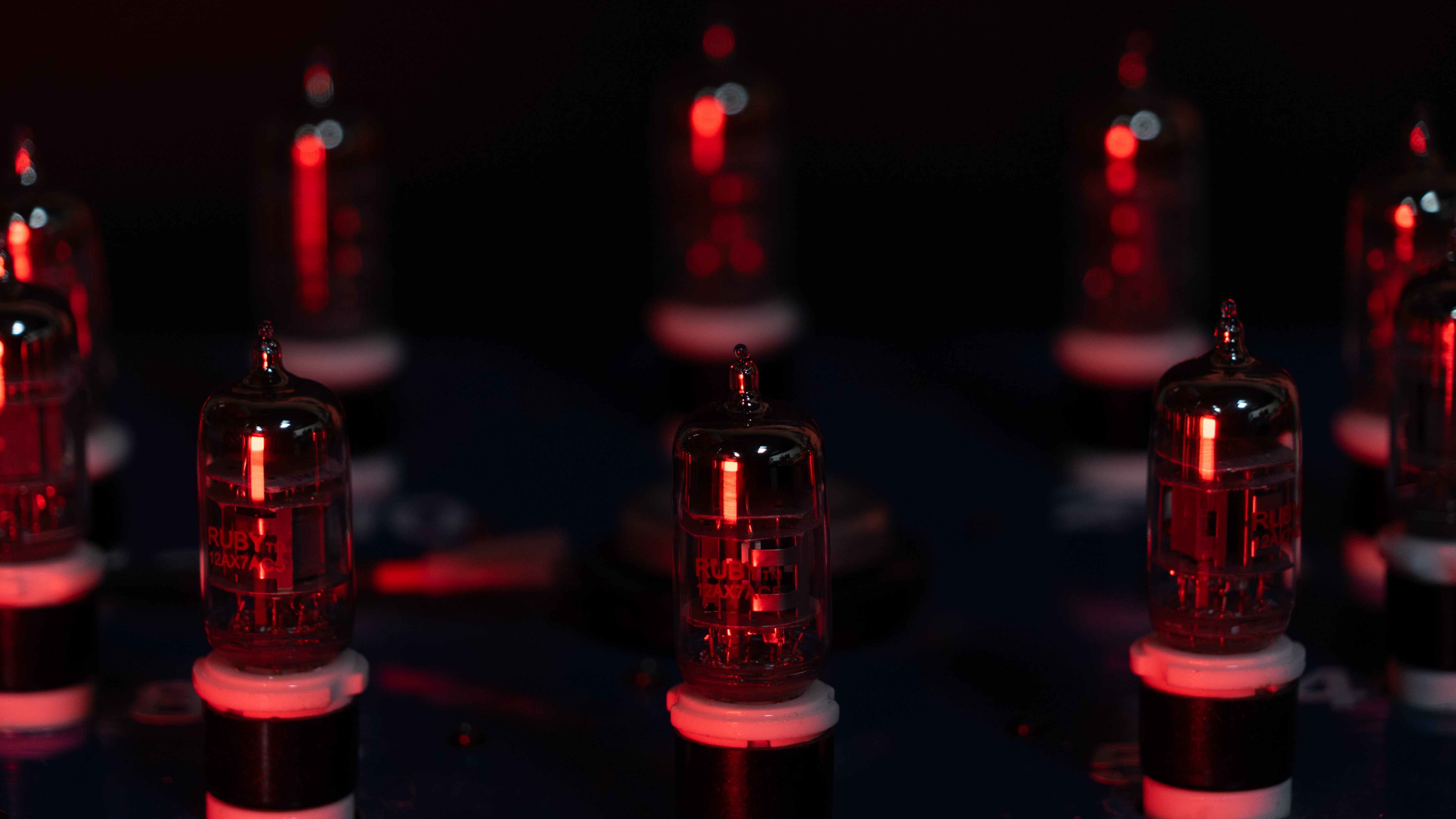
When considering the amp tubes lifespan, the general rule is that power tubes require more frequent attention than preamp tubes. For a musician playing a few times a week, power tubes may last one to two years, while preamp tubes can often go for three to five years or more. If you look at the back of your amp and see a tube glowing a bright, cherry red (known as red-plating) or see a white, powdery film inside the glass instead of the usual silver "getter" coating, those are visual cues of a catastrophic seal failure or a bias issue. These signs of bad amp tubes should never be ignored, as a failing tube can occasionally take out other internal components like transformers or resistors.
Understanding how long do amp tubes last depends heavily on how hard you push your gear and how often you transport it. To extend their life, always allow your amplifier to warm up in standby mode for at least a minute before playing, and let it cool down before moving it after a long set. Maintaining a fresh set of tubes isn't just about avoiding a breakdown; it’s about preserving the dynamic response and "feel" that made you fall in love with your amplifier in the first place. By staying tuned into these subtle changes in sound and sight, you can ensure your tone remains consistent, powerful, and ready for the stage.